A Practical Guide to Custom Printed Paper Bags: Facts, Details, and Knowledge
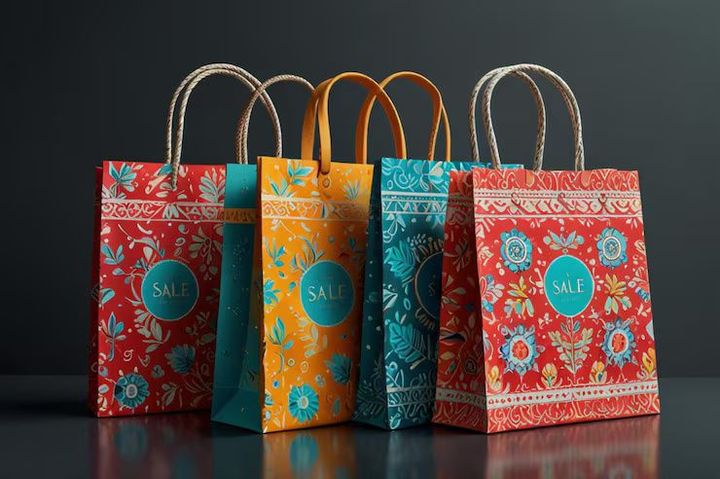
Custom printed paper bags are packaging items made from paper-based materials that include printed designs, symbols, text, or patterns. These designs may feature brand identifiers, product information, safety guidance, or decorative visuals. The primary purpose of these bags is to provide a functional container while also communicating information in a clear and organized way.
The concept developed as businesses and organizations looked for packaging that could carry goods while remaining lightweight, reusable, and easy to store. Over time, printing technology improved, allowing detailed graphics and text to be added directly onto paper surfaces. This combination of utility and communication is what defines custom printed paper bags today.
Paper-based packaging exists as an alternative to plastic and other synthetic materials. It relies on renewable raw materials and established paper manufacturing processes. Custom printing allows these bags to adapt to different industries, product categories, and information needs without changing the basic structure of the bag.
Importance
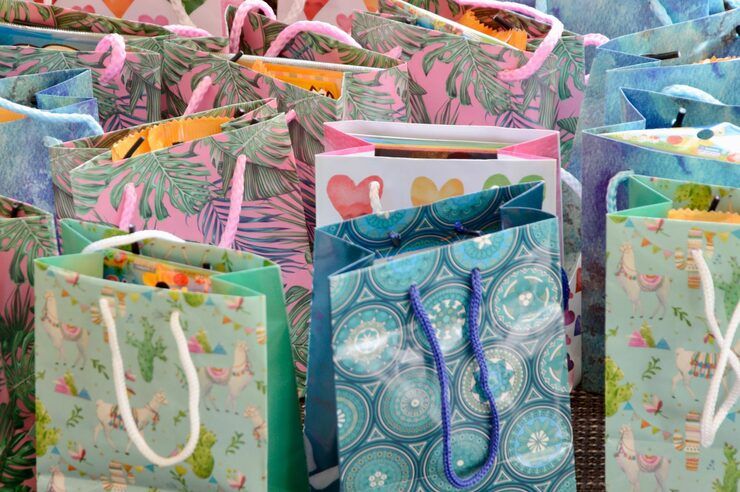
Custom printed paper bags matter today because packaging is no longer only about containment. It plays a role in information sharing, material efficiency, and environmental awareness. Governments, organizations, and consumers increasingly focus on how materials are sourced, used, and disposed of.
These bags affect a wide range of groups, including manufacturers, retailers, logistics teams, and end users. They help address challenges such as:
-
Reducing dependence on single-use plastic materials
-
Improving clarity of printed instructions or product details
-
Supporting organized handling during transport and storage
-
Aligning packaging with modern sustainability expectations
As packaging regulations and consumer awareness continue to evolve, paper-based printed bags remain a relevant subject for understanding how everyday materials fit into larger environmental and economic systems.
Recent Updates: Trends and Changes in the Past Year
Over the past year, several notable trends have influenced custom printed paper bags:
-
2024–2025: Increased use of water-based and soy-based printing inks to reduce chemical impact during production
-
Late 2024: Growth in digital printing methods, allowing shorter print runs with consistent quality
-
2025: Wider adoption of standardized paper strength ratings to improve load safety and reduce material waste
-
Ongoing: Greater focus on recyclable coatings and minimal ink coverage to simplify recycling processes
These updates reflect a broader shift toward efficiency, transparency, and compatibility with recycling systems rather than visual complexity alone.
Laws and Policies Affecting Custom Printed Paper Bags
In many countries, including India, paper-based packaging is influenced by environmental and waste management policies. While rules vary by region, common regulatory themes include:
-
Restrictions on certain plastic packaging types, indirectly encouraging paper alternatives
-
Guidelines on recyclable and compostable materials
-
Labeling requirements for material composition and disposal instructions
-
Extended Producer Responsibility (EPR) frameworks that include paper packaging
Government initiatives related to waste segregation and recycling infrastructure also affect how printed paper bags are designed and labeled. Clear printed information helps align packaging with compliance expectations and public awareness programs.
Tools and Resources Related to Custom Printed Paper Bags
Several tools and resources help individuals and organizations understand, plan, and evaluate paper bag usage:
-
Paper GSM calculators to estimate thickness and load capacity
-
Print layout templates for standardized bag sizes
-
Packaging compliance checklists aligned with local regulations
-
Lifecycle assessment tools for material impact comparison
-
Ink coverage estimators to balance readability and recyclability
These resources support informed decision-making without focusing on promotional outcomes.
Material and Design Overview Table
| Aspect | Explanation |
|---|---|
| Paper Type | Kraft paper, recycled paper, or specialty paper |
| Printing Method | Flexographic, offset, or digital printing |
| Handle Options | Flat paper handle, twisted handle, or handle-free |
| Load Capacity | Depends on paper thickness and bag structure |
| Recyclability | High when coatings and inks are minimal |
Common Use Categories Table
| Category | Typical Purpose |
|---|---|
| Retail Packaging | Carrying lightweight to medium products |
| Food Takeaway | Short-term transport of packed items |
| Events and Exhibitions | Information distribution and material handling |
| General Storage | Temporary organization of items |
Frequently Asked Questions (FAQs)
What materials are commonly used for custom printed paper bags?
Most bags use kraft paper or recycled paper due to strength and print compatibility.
How does printing affect recyclability?
Low-ink coverage and water-based inks generally support easier recycling.
Are these bags suitable for heavy items?
Load capacity depends on paper thickness, handle design, and construction method.
Do regulations apply only to plastic packaging?
No. Paper packaging is also subject to labeling, recycling, and waste management rules.
Why is standardization becoming important?
Standard sizes and strength ratings reduce waste and improve logistics efficiency.
Conclusion
Custom printed paper bags represent a practical intersection of packaging, communication, and material responsibility. Their relevance continues to grow as regulations, printing technology, and environmental awareness evolve together. Understanding their basics, recent trends, regulatory context, and available resources helps clarify how simple paper-based items fit into broader systems of production and use. By focusing on clear information, appropriate material selection, and regulatory alignment, custom printed paper bags remain an important topic within modern packaging discussions.