Digital Twin for Modern Manufacturing: Explanation, Insights, and Information Guide
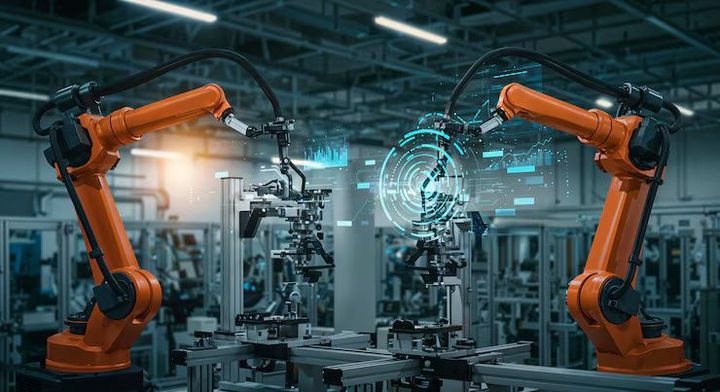
In manufacturing, a digital twin is a virtual replica of a physical object, process, or system — such as a machine, production line, or entire factory. This digital model is continuously updated with real‑time data from sensors, enabling it to mirror the behavior, performance, and conditions of its real-world counterpart.
The concept exists because manufacturers face pressures to be more efficient, responsive, and sustainable. By creating a digital twin, companies can simulate how things work, predict what might go wrong, and make smarter decisions without interrupting physical operations. It bridges the physical and digital worlds, helping improve quality, save time, and reduce risk.

Why Digital Twins Matter Today
Digital twins are gaining significance for several reasons:
-
Enhanced Efficiency and Productivity: Continuous simulation and analysis allow manufacturers to identify bottlenecks, optimize workflows, and make adjustments in the virtual space before applying them on the shop floor.
-
Predictive Maintenance: Using real-time data, digital twins can detect potential failures before they happen, reducing downtime.
-
Faster Product Development: Virtual prototyping allows design teams to iterate rapidly and test scenarios, cutting down development times significantly.
-
Sustainability and Energy Efficiency: Digital twins support environmental goals by modeling energy consumption, waste, and resource use — helping factories become more eco-friendly.
-
Greater Resilience and Flexibility: “What-if” simulations make it easier to adapt to disruptions, such as supply chain issues or shifting demand.
-
Scalability Across Systems: Beyond individual machines, digital twins increasingly model entire systems — whole production lines, supply chains, or even organizational structures.
These benefits affect not only manufacturing engineers but also business leaders, sustainability teams, and policymakers. Digital twins help make manufacturing smarter, greener, and more resilient.
Recent Developments and Trends (2024–2025)
Digital twin technology has evolved rapidly, with several notable trends:
-
AI-Driven Twins: Artificial intelligence now helps simulate scenarios, predict failures, and drive autonomous decisions.
-
Edge Computing & IoT Integration: Digital twins running on edge devices reduce latency, enabling real-time reactions.
-
Twin-as-a-Service (TaaS): Cloud-based, modular twin platforms allow companies to deploy and scale digital twins more easily.
-
Sustainability Modeling: There is a growing focus on using digital twins to support net-zero goals and improve energy efficiency.
-
Enterprise-Level Digital Twins: Companies are creating Digital Twins of Organizations (DTOs) — modeling entire factories, supply chains, or business processes.
-
Industrial Metaverse & XR: Virtual and augmented reality merge with digital twins, creating immersive environments for design, training, and collaboration.
-
Cybersecurity Concerns: Connected twins face security and privacy challenges, making secure design critical.
-
Standards Movement: Standards like ISO 23247 are emerging for digital twin deployment in production systems, especially around sustainability and XR integration.
-
Real-World Factory Adoption: Global manufacturers are increasingly implementing central digital twin hubs to mirror operations in real time, enabling faster problem detection and optimization.
These trends show that digital twin technology is becoming more intelligent, scalable, and deeply integrated into manufacturing strategies.
Policy, Regulations, and Standards Impacting Digital Twins
Digital twins intersect with many policy and regulatory domains:
-
Industrial Policy & Industry 4.0 (India): National strategies promote adoption of advanced manufacturing technologies — including digital twins, AI, and IoT.
-
Telecommunication & Technical Standards: Technical bodies publish guidelines highlighting digital twin design and integration in smart manufacturing frameworks.
-
International Standards: Standards such as ISO 23247 provide guidelines for digital twin implementation, including sustainability and XR aspects.
-
Cybersecurity Regulations: As digital twins connect to networks, regulations and guidelines around data privacy and anomaly detection are increasingly important.
-
Public Funding & Grants: Governments are investing in twin infrastructure through funding programs, incentivizing adoption for sustainability and supply-chain resilience.
These policies and standards help ensure that digital twins grow safely, are interoperable, and align with industrial and environmental goals.
Useful Tools and Resources for Digital Twin in Manufacturing
Here are practical tools, frameworks, and resources for learning, planning, or building digital twins:
-
Digital Twindex Reports: Strategic blueprints for AI-powered, anticipatory manufacturing, highlighting trends and best practices.
-
Digital Twin Consortium: A global platform for collaboration on standards, best practices, and testbed programs.
-
Edge & IoT Platforms: Tools that support real-time data processing and connectivity from sensors and gateways.
-
Simulation Software & CAD Tools: Essential for building virtual models of machines and processes.
-
Cybersecurity Frameworks: Guidelines and best practices for secure twin deployment.
-
Lifecycle Management Templates: Dashboards and templates that link design, operation, and maintenance for performance tracking.
-
Academic & Research Papers: Papers provide theoretical frameworks, case studies, and implementation strategies for digital twins.
These resources support manufacturing leaders, engineers, and decision-makers at different stages — from strategy to implementation.
Frequently Asked Questions (FAQs)
What exactly constitutes a digital twin?
A digital twin is a continuously updated, virtual representation of a physical system, using real-time data so that the digital model behaves like the physical one.
How does a digital twin help reduce downtime?
By collecting real-time sensor data, a digital twin can predict equipment failures before they occur, allowing for preventive maintenance.
Is digital twin only useful for large factories?
No. Smaller manufacturers can also use digital twins for individual machines, quality control, or small production lines, especially with cloud-based twin platforms.
What are the security risks associated with digital twins?
Digital twins face risks like unauthorized access, data breaches, or manipulation of data. Secure system design is critical to protect both digital and physical assets.
How do digital twins support sustainability?
Digital twins simulate energy usage, resource consumption, and waste patterns. Optimizing these simulations helps reduce energy use, material waste, and emissions.
Conclusion
Digital twins transform modern manufacturing by creating real-time, intelligent virtual models of machines, processes, and factories. They boost efficiency, support predictive maintenance, accelerate innovation, and enable sustainability.
Recent trends show a shift toward AI-powered, cloud-native, and enterprise-level twins — with edge computing, immersive reality, and cybersecurity integration. Policies and standards, like ISO 23247 and national smart manufacturing initiatives, help ensure safe, scalable, and interoperable implementation.