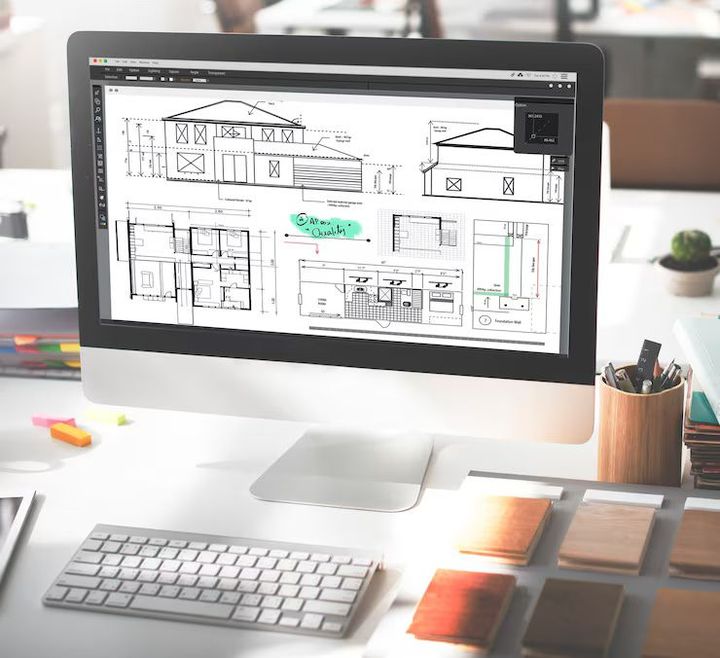
Discover Architectural Design: An Informative Guide to Structure, Style, and Innovation
Architectural design is the art and science of planning, structuring, and creating spaces that balance function, aesthetics, and sustainability. It blends creativity with engineering precision to transform ideas into physical environments—from homes and offices to public spaces and skyscrapers.
Architecture exists because humans have always needed to create organized, safe, and purposeful spaces. The design process defines how these structures interact with their environment, addressing climate, materials, and cultural context. It serves as a bridge between art and science, turning imagination into enduring, functional forms.

The Importance of Architectural Design in Modern Society
Architectural design influences almost every aspect of daily life. From urban planning to residential development, thoughtful design enhances quality of life, supports community well-being, and reflects cultural identity.
Modern architecture addresses key global challenges:
-
Sustainability: Green architecture and energy-efficient designs help reduce carbon emissions.
-
Urbanization: Smart city planning manages population growth in limited urban spaces.
-
Innovation: Digital modeling, 3D printing, and smart materials improve safety and durability.
Architectural design matters because it impacts both individuals and societies. Well-designed buildings enhance productivity, comfort, and mental health. Cities that integrate design innovation attract tourism, investment, and cultural recognition.
It also plays a vital role in solving practical problems like climate resilience, disaster mitigation, and accessibility. For example, flood-resistant housing and earthquake-safe structures protect communities from natural disasters.
| Key Area | Design Impact | Example |
|---|---|---|
| Sustainability | Reduces energy use | Solar panels, green roofs |
| Technology | Enhances safety | Smart sensors, automated systems |
| Accessibility | Improves usability | Ramps, tactile flooring |
| Aesthetics | Builds identity | Cultural and local design elements |
Recent Trends and Developments in Architectural Design
The past few years have brought significant change to the world of architecture. From 2023 to 2025, sustainability, digital transformation, and adaptive reuse have become central themes.
1. Sustainable and Green Building:
Architects increasingly use renewable materials like bamboo, cross-laminated timber, and recycled concrete. Certifications such as LEED (Leadership in Energy and Environmental Design) and BREEAM have gained global recognition. In 2024, global green building market trends showed a 14% increase in sustainable construction projects.
2. Smart Technology Integration:
Digital design tools like Building Information Modeling (BIM) and 3D visualization software have revolutionized planning. Smart buildings now include IoT sensors that control temperature, lighting, and energy use automatically.
3. Biophilic Design:
The inclusion of natural elements—green walls, open courtyards, and daylight optimization—has grown rapidly. Studies from 2024 indicate that biophilic spaces improve concentration and well-being.
4. Adaptive Reuse of Structures:
Rather than demolishing old buildings, architects redesign them for new purposes—reducing waste and preserving heritage.
5. Modular and Prefabricated Construction:
Prefabrication shortens project timelines and reduces waste. By 2025, modular housing projects have become popular in both residential and commercial development.
Policies, Regulations, and Government Influence
Architectural design is shaped by building codes, safety standards, and environmental laws. These regulations ensure buildings are safe, accessible, and sustainable.
In India, the National Building Code (NBC) sets guidelines on structural design, fire safety, and environmental performance. Local municipal bodies enforce zoning laws and height restrictions to ensure proper urban development.
Globally, governments encourage eco-friendly construction through policies like:
-
LEED Certification Programs (USA) – Incentivizes sustainable building practices.
-
European Green Deal (EU) – Promotes energy efficiency in architecture.
-
Energy Conservation Building Code (India) – Focuses on optimizing energy use in large buildings.
In 2024, the Indian government also emphasized smart city planning and affordable housing schemes that rely heavily on efficient architectural design principles. Such initiatives promote urban sustainability while addressing population growth.
Compliance with these regulations not only ensures safety but also supports environmental goals and public well-being.
Essential Tools and Resources for Architectural Design
Modern architects rely on a combination of design software, visualization tools, and sustainability resources to bring ideas to life.
Digital Design and Modeling Tools:
-
AutoCAD: Used for drafting and technical drawing.
-
Revit: Ideal for Building Information Modeling (BIM) and 3D visualization.
-
SketchUp: Simplifies conceptual design and rendering.
-
Rhino 3D: Used for complex, organic architectural shapes.
-
Lumion and Twinmotion: Help create realistic 3D architectural renderings.
Sustainability and Analysis Tools:
-
Green Building Studio: Analyzes energy performance and carbon footprint.
-
Edge Building Tool: Offers insights into sustainable design certification.
-
Sefaira: Provides real-time energy and daylighting analysis.
Educational and Research Platforms:
-
ArchDaily – Latest global design trends and case studies.
-
Dezeen – Architecture and design magazine featuring innovative projects.
-
National Institute of Urban Affairs (India) – Offers policy research and planning guides.
Online Templates and Calculators:
-
Building load calculators for structural estimation.
-
Space planning templates for residential and commercial design.
-
Carbon emission calculators for sustainable construction.
| Tool Type | Popular Platforms | Primary Use |
|---|---|---|
| 3D Modeling | Revit, SketchUp | Visualizing design concepts |
| Sustainability | Sefaira, Edge | Energy efficiency and green analysis |
| Research | ArchDaily, Dezeen | Latest architecture news and ideas |
Frequently Asked Questions
What is the purpose of architectural design?
Architectural design combines creativity and engineering to create functional, sustainable, and aesthetically pleasing structures that meet human needs and environmental conditions.
How has technology changed architectural design?
Advancements like 3D printing, AI-assisted modeling, and Building Information Modeling (BIM) have improved accuracy, reduced waste, and enabled faster project completion.
What are the main principles of architectural design?
Key principles include balance, proportion, functionality, rhythm, and sustainability. These guide architects in creating harmonious and efficient spaces.
What role does sustainability play in modern architecture?
Sustainability ensures that design minimizes environmental impact through energy efficiency, renewable materials, and waste reduction. Green architecture supports long-term ecological balance.
How can architectural design adapt to climate change?
Architects use passive cooling, renewable energy integration, and resilient materials to design structures that withstand extreme weather and reduce energy demand.
Conclusion
Architectural design stands at the crossroads of innovation, culture, and sustainability. It continues to evolve with advancements in digital tools, eco-friendly materials, and global awareness of environmental responsibility.
As the world moves toward smarter cities and sustainable living, architectural design serves as both a creative discipline and a scientific foundation for the spaces we inhabit. By merging structure, style, and innovation, architects shape not just buildings—but the future of how humanity interacts with its environment.