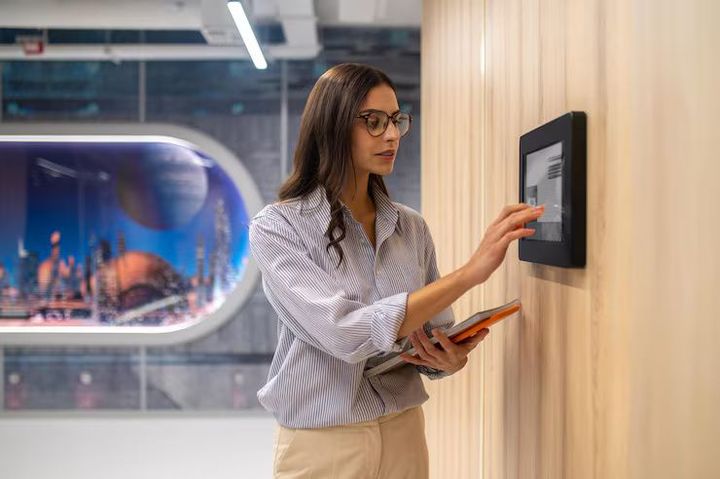
Access control systems are used in homes, offices, industrial plants, educational institutions, and public buildings. They help track entry activity, restrict unauthorized access, and centralize security data. As digital transformation grows worldwide, these systems have become a key part of modern security planning.

Importance
Smart locks and access control systems play a major role in today’s security landscape. They matter because they offer a combination of convenience, monitoring, and controlled entry that traditional key-based systems cannot provide.
These solutions are relevant to homeowners, facility managers, property managers, industrial supervisors, and organizations handling confidential information or sensitive assets. They address challenges such as lost keys, unauthorized access, and the need for remote monitoring.Key benefits include:
-
Centralized access management for multiple entry points.
-
Enhanced authentication using biometric verification, encrypted digital keys, and secure credentials.
-
Activity tracking, which helps understand who enters and leaves a location.
-
Remote access control, useful for managing buildings or properties from anywhere.
-
Integration with smart home systems, allowing automation such as locking schedules or alerts.
These features help reduce security risks and improve operational efficiency in environments where regulated access is necessary.
Recent Updates
The past year has seen several updates that influence how smart locks and access control systems are used. These trends highlight increased focus on security, digital identity, and advanced authentication.
Biometric advancements (2024–2025):
Biometric technology, including fingerprint and facial recognition, has become more accurate and widely adopted. Systems released in late 2024 introduced improved liveness detection to minimize spoofing.
Cloud-based access platforms:
In 2024, many organizations transitioned to cloud-managed security platforms. This shift allows real-time logging, remote credential issuance, and improved encryption standards.
Mobile access credentials:
Smartphone-based access continued to grow in 2025, driven by demand for keyless solutions. Many platforms now support Bluetooth Low Energy (BLE), NFC, and encrypted digital passes, reducing the need for physical cards.
Cybersecurity focus:
Due to increasing data protection requirements, manufacturers updated firmware in 2024–2025 to include stronger encryption, multi-factor authentication, and more transparent privacy controls.
Integration with smart building systems:
Modern commercial buildings in 2025 prefer systems that integrate access with energy management, occupancy analytics, and automation platforms. This trend aligns with broader digital infrastructure upgrades happening globally.
Laws or Policies
Laws and policies related to smart locks and access control systems vary by country, but most focus on safety, privacy, and data security. These systems must comply with government regulations to protect users and maintain secure digital practices.
Key regulatory areas include:
Data protection laws:
Countries with strong privacy regulations, such as GDPR in Europe or DPDP Act 2023 in India, require access control systems to encrypt data, safeguard biometric information, and provide user consent options.
Building codes and safety guidelines:
Many countries require that access control systems integrate with fire safety protocols. This ensures that doors connected to electronic locking systems unlock automatically during emergencies.
Cybersecurity standards:
Some regions have adopted cybersecurity frameworks that require secure encryption, periodic firmware updates, and transparent data handling practices in connected devices.
Workplace security compliance:
Institutions managing sensitive environments—such as laboratories, industrial facilities, or data centers—must follow sector-specific regulations regarding restricted area access.
These policies influence how organizations implement access control strategies and require them to prioritize secure digital architecture.
Tools and Resources
Several tools and resources are available to help users understand, implement, and manage smart locks and access control systems. These resources support learning, planning, monitoring, and compliance.
Security Planning Tools:
-
Access control planning templates
-
Facility layout mapping tools
-
Cloud-based monitoring dashboards
Mobile Apps for Access Management:
-
Apps that allow remote locking and unlocking
-
Mobile credential management apps
-
Activity log and alert apps
Cybersecurity Tools:
-
Password managers for digital credentials
-
Encryption management tools
-
Device firmware update utilities
Educational Resources:
-
Online guides about biometric authentication
-
Smart home integration tutorials
-
Cybersecurity awareness materials
Compliance and Policy Resources:
-
Data privacy regulation portals
-
Government building safety guidelines
-
Digital infrastructure frameworks
These tools help individuals and organizations plan access control systems responsibly and efficiently.
Example Table: Types of Authentication Methods
| Authentication Method | Description | Use Case |
|---|
| Biometric Recognition | Fingerprint, facial scan, or iris match | Homes, offices, high-security zones |
| Mobile Credentials | Smartphone-based digital keys | Residential complexes, workplaces |
| PIN Codes | Numeric keypad authentication | Entry gates, shared access areas |
| RFID/NFC Cards | Contactless physical credentials | Educational institutions, commercial buildings |
FAQs
What is a smart lock?
A smart lock is an electronic locking system that uses digital authentication methods such as biometrics, mobile apps, or PIN codes instead of traditional keys. It helps manage entry more flexibly and allows remote control features.
How do access control systems work?
Access control systems operate by verifying a person’s identity using credentials like cards, biometrics, or digital passes. Once verified, the system grants entry and logs the event for record-keeping.
Are smart locks secure?
Modern smart locks follow strict encryption and authentication standards. Their security depends on strong password practices, updated firmware, and compliance with local data protection regulations.
Can smart locks work without the internet?
Many smart locks can operate offline through Bluetooth or PIN authentication, although certain features like remote monitoring and activity logs require internet connectivity.
Do access control systems store personal data?
Yes, some systems store data such as entry logs or biometric information. This data must be handled according to privacy laws, ensuring user consent and secure storage.
Conclusion
Smart locks and access control systems reflect the growing shift toward digital security solutions that provide flexible, secure, and centralized control of building access. As technology evolves, these systems are increasingly shaped by advancements in biometrics, mobile authentication, and cloud-based management. Recent updates show strong adoption trends, supported by data protection laws, building safety regulations, and cybersecurity frameworks.
These technologies help organizations and individuals manage entry more responsibly, reduce security risks, and adapt to a world where digital infrastructure continues to expand. With ongoing improvements and accessible tools, smart access solutions remain a significant part of modern security planning.
If you’d like, I can also create structured keywords, display campaign assets, or additional high CPC keyword lists for this article.