Explore Fabric Inspection Machines: A Clear Guide with Insights, Details, and Explanation
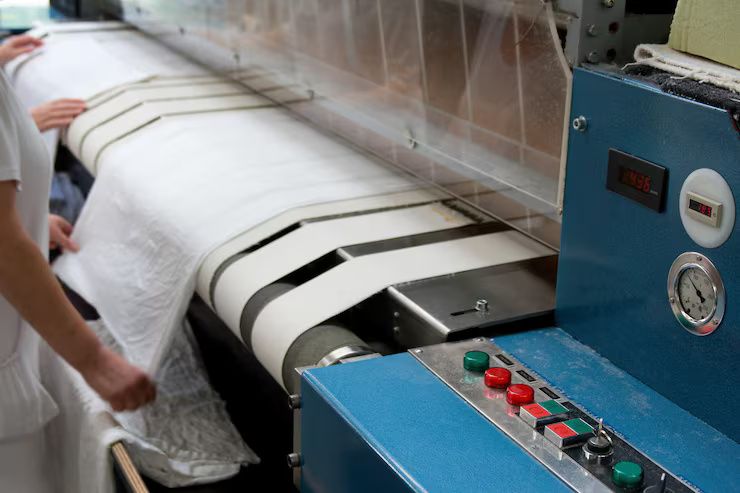
Fabric inspection machines are specialized textile equipment designed to examine fabric surfaces for defects, inconsistencies, and quality variations. These machines support the inspection process during different stages of textile production, including greige fabric, dyed fabric, and finished fabric. Their primary purpose is to help manufacturers identify weaving faults, knitting errors, color variations, stains, holes, or alignment issues before fabrics move to the next production step.
The concept of fabric inspection emerged alongside the growth of industrial textile manufacturing. As production volumes increased, visual inspection by human operators alone became less consistent and more time-intensive. Fabric inspection machines were developed to standardize inspection conditions, improve visibility, and support systematic quality checks.
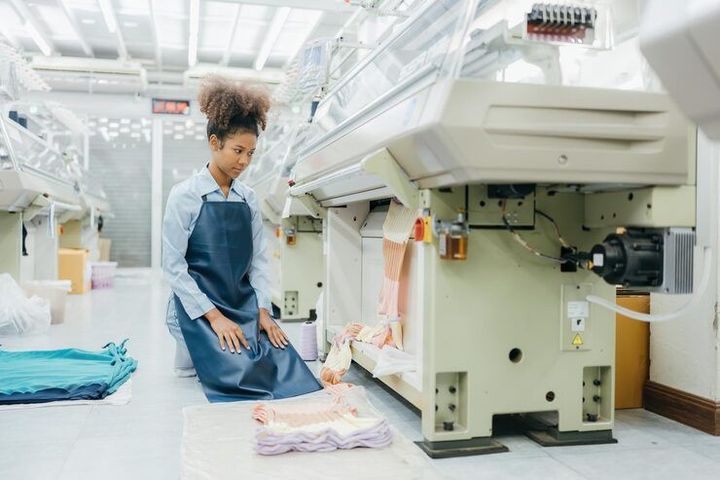
Modern fabric inspection machines are used across woven, knitted, and nonwoven textile segments. They are commonly found in spinning mills, weaving units, processing houses, and garment manufacturing facilities. Their design focuses on controlled fabric movement, proper lighting, and ergonomic inspection surfaces to improve accuracy and documentation.
Importance
Fabric inspection machines play an important role in today’s textile industry, where quality expectations, compliance requirements, and export standards continue to evolve. Textile producers, apparel brands, quality auditors, and supply chain partners rely on consistent inspection outcomes to maintain production reliability.
Key reasons this topic matters include:
-
Quality consistency: Early detection of defects reduces the risk of quality variations across fabric batches.
-
Process efficiency: Identifying defects before cutting or stitching prevents downstream material loss.
-
Global trade alignment: Many international buyers require documented fabric inspection results.
-
Traceability: Inspection records support internal audits and quality benchmarking.
For manufacturers, these machines help address common challenges such as defect rework, fabric rejection, and inconsistent inspection practices. For buyers and quality teams, they provide a structured method to evaluate fabric condition before further processing.
Recent Updates and Industry Trends (2024–2025)
Over the past year, fabric inspection machines have seen noticeable technological and operational developments.
In 2024, textile equipment manufacturers expanded the use of digital inspection counters, enabling automatic measurement of fabric length, defect frequency, and inspection speed. This helped standardize reporting formats across facilities.
By early 2025, several textile clusters in India and Southeast Asia began integrating AI-assisted visual detection modules with conventional inspection machines. These systems support pattern recognition and defect classification while still relying on human validation for final decisions.
Another recent trend is the growing focus on energy-efficient lighting systems, such as LED inspection lights with adjustable color temperature. These improvements enhance defect visibility while reducing operational strain.
Sustainability reporting has also influenced inspection practices. Fabric inspection machines are increasingly used to document defect rates as part of waste-reduction and quality improvement initiatives across textile supply chains.
Laws, Standards, and Policy Influence in India
In India, fabric inspection machines are indirectly influenced by textile quality standards, export regulations, and industrial safety guidelines.
Key regulatory and standards frameworks include:
-
Bureau of Indian Standards (BIS): Provides textile-related standards that guide quality assessment and testing practices.
-
Ministry of Textiles: Supports quality modernization programs under various textile schemes.
-
International Organization for Standardization (ISO): ISO textile standards influence inspection benchmarks for export-oriented production.
While fabric inspection machines themselves are not regulated as standalone products, their use supports compliance with quality norms required for domestic distribution and international trade. Documentation generated during inspection is often reviewed during audits and buyer assessments.
Tools and Resources Related to Fabric Inspection
Several tools and resources complement the use of fabric inspection machines and improve inspection accuracy:
-
Defect classification charts for woven and knitted fabrics
-
Four-Point System calculation sheets for standardized fabric grading
-
Digital inspection reporting software for data storage and trend analysis
-
Lux meters to verify inspection lighting consistency
-
Operator training manuals focused on defect identification and recording
The table below shows commonly tracked inspection parameters:
| Inspection Parameter | Description | Purpose |
|---|---|---|
| Fabric width | Measured during inspection | Ensures dimensional accuracy |
| Defect type | Visual classification | Supports quality grading |
| Defect frequency | Number per unit length | Identifies recurring issues |
| Inspection speed | Fabric movement rate | Balances accuracy and efficiency |
| Lighting level | Illumination intensity | Improves defect visibility |
Common Types of Fabric Inspection Machines
Fabric inspection machines are generally categorized based on fabric type and inspection method:
-
Manual fabric inspection machines
Used for visual inspection with operator control and basic counters. -
Semi-automatic inspection machines
Include motorized fabric movement and digital measurement features. -
Automatic fabric inspection systems
Integrate cameras and software for defect detection support.
Each type serves different production scales and inspection requirements.
Frequently Asked Questions
What defects can fabric inspection machines detect?
They help identify holes, stains, slubs, mispicks, color variations, oil marks, and surface irregularities.
Are fabric inspection machines used before or after fabric processing?
They are used at multiple stages, including greige fabric inspection, post-dyeing inspection, and final fabric evaluation.
Do inspection machines replace human inspectors?
They support inspectors by improving visibility and consistency, but human judgment remains essential for classification.
How is fabric quality graded during inspection?
Many facilities use standardized systems such as the Four-Point System to quantify defect impact.
Can the same machine inspect different fabric types?
Some machines are adaptable for woven and knitted fabrics with adjustable tension and speed controls.
Conclusion
Fabric inspection machines are an essential part of modern textile quality management. They provide a structured and repeatable approach to identifying fabric defects, improving production consistency, and supporting compliance with quality standards. As textile manufacturing continues to evolve, these machines are increasingly aligned with digital reporting, automation support, and sustainability goals.
Understanding how fabric inspection machines function, why they matter, and how they fit into regulatory and operational frameworks helps manufacturers, quality teams, and learners build stronger knowledge of textile quality processes.