Explore Smart Street Lighting Systems: Explanation, Information, Insights, and Practical Suggestions
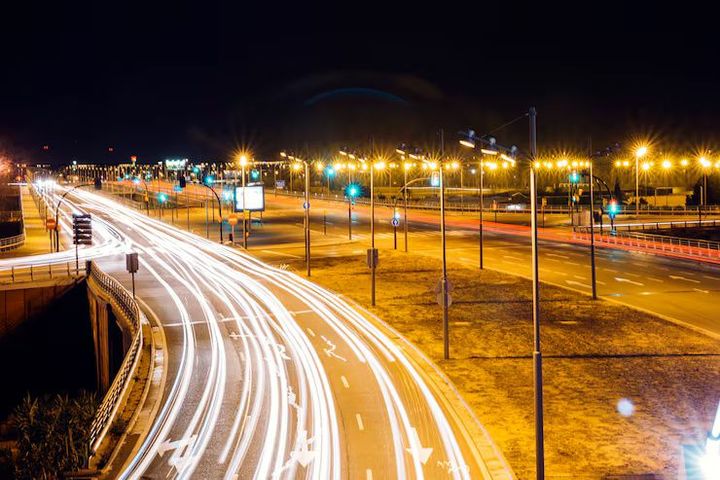
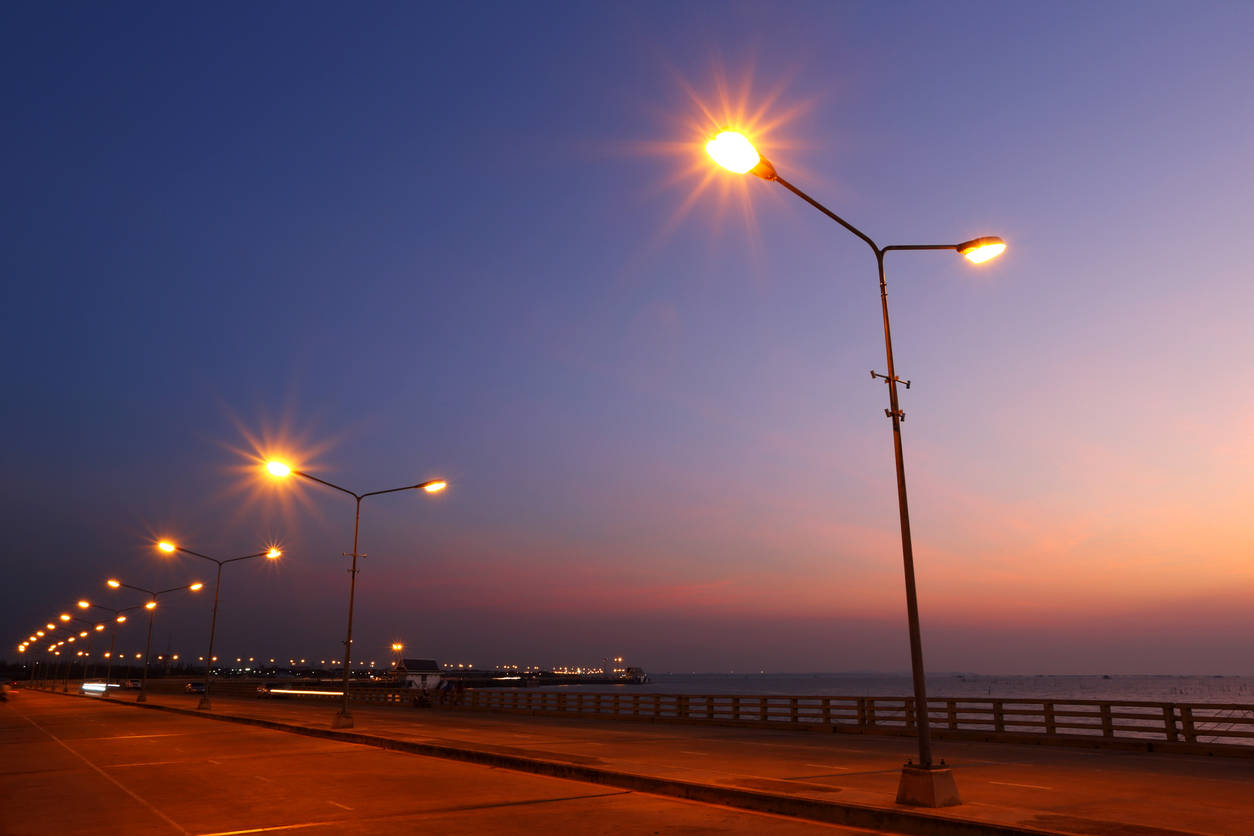
Smart street lighting refers to public lighting systems that are enhanced by digital technology — sensors, controllers, and communication networks — rather than being purely fixed, always-on lamps. These smart systems typically use LED lights combined with motion sensors, ambient-light detectors, and remote‑management software to adapt lighting based on real conditions.
By combining efficient LED technology with Internet-of-Things (IoT) components, smart street lighting systems aim both to reduce waste and to deliver more responsive urban infrastructure.
Importance
Smart street lighting is increasingly important for several reasons:
-
Energy Savings and Sustainability: Smart lights can reduce their brightness during off-peak hours and fully dim when no movement is detected. This adapted lighting leads to large energy savings — in some cases up to 50% or more.
-
Lower Maintenance: Because smart street lights are connected, they can report faults in real time, making it faster to detect failures, plan repairs, and avoid long outages.
-
Public Safety Improvements: Better-lit streets, dynamic lighting based on presence, and integration with other sensors (e.g., for motion or even cameras) can increase safety, discourage crime, and reduce nighttime accidents.
-
Urban Intelligence and Data: Streetlights with sensors can collect data on traffic, air quality, noise, or weather, making them a multi-purpose node in a smart city network.
-
Reduced Light Pollution: By controlling brightness precisely (e.g., dimming when full light is not needed), smart lighting helps minimize unnecessary light, which benefits both the environment and human health.
All these factors make smart street lighting a powerful lever for cities aiming to reduce emissions, improve safety, and leverage infrastructure for multiple uses.
Recent Updates & Trends
Smart street lighting continues to evolve, and over the past year some significant developments have emerged — especially in India:
-
In Delhi, the Public Works Department is replacing around 45,000 sodium-vapor streetlights with smart, LED-based lights that are connected to a mobile app and a centralized dashboard. This move is expected to yield large cost and energy savings.
-
In Ahmedabad, the Municipal Corporation is finalizing a ₹500‑crore project to automate and centrally control over 2.1 lakh streetlight poles. Through a command center, the lights will be remotely managed — switching on/off, adjusting brightness, detecting faults, etc.
-
Part of the Ahmedabad plan also comes from lessons learned during a multi-hour blackout exercise. Officials noted that, during previous drills, street lights had to be switched off manually, which was slow; in contrast, the new system will allow for a rapid shutdown (or adjustment) from a single command.
-
More broadly, technology research is advancing: for instance, a hybrid communication system using visible-light communication combined with terahertz links is being explored to integrate high-speed data transfer into street lighting infrastructure.
These updates reflect the shift from pilot smart-lighting projects to large-scale deployments — and even toward lighting as a data-transmission backbone.
Laws, Regulations, & Policy Considerations
Smart street lighting is often deeply tied to government policy, city planning, and regulatory frameworks. Some key dimensions:
-
Smart City Missions: In India, many smart street lighting projects are part of broader smart city initiatives. Municipal bodies use central or state grants, and lighting projects often align with sustainability and data-governance goals.
-
Energy Efficiency Mandates: Local governments may mandate the use of energy-efficient lighting (such as LEDs) in public infrastructure, which supports smart-lighting adoption.
-
Public Safety Regulations: Rules related to public lighting (for example, when street lights must be operational on main roads) may influence how smart systems are designed, especially if they are being used to ensure quick fault detection and repair.
-
Environmental Norms: Because light pollution is a concern, policies sometimes encourage adaptive dimming or motion-based lighting to reduce adverse effects on wildlife and cities’ night skies.
-
Data and Privacy Laws: As smart lights collect more data (traffic, environmental, even video) regulatory frameworks on data security and privacy may apply. While implementations vary, cities often need to ensure compliance with data protection norms.
These policy and regulatory aspects help shape both the pace and nature of smart street lighting deployment.
Tools, Resources & Platforms
To design, manage, or learn more about smart street lighting, the following tools and resources can be helpful:
-
Central Management Software (CMS): Many lighting providers offer dashboards to monitor status, detect faults, and schedule dimming. These are often proprietary, but useful for city managers.
-
Open Data Platforms / IoT Toolkit: For researchers or planners, open-source IoT stacks (e.g., using LoRa, NB-IoT) can be used to prototype smart lighting networks.
-
Energy-Savings Calculators: Several platforms offer calculators to estimate savings based on LED conversion, dimming schedules, and replacement cycles.
-
Policy Guides & Frameworks: Smart city mission documents, sustainable lighting guidelines, or urban planning toolkits provide reference architecture and best practices.
-
Academic Research & Papers: Research on hybrid communications or machine learning based monitoring can help plan future‑proof systems.
-
Industry Resources: Companies and industry bodies provide Q&A resources and reports on smart public lighting technologies.
These tools and resources can support both early-stage planning and long-term management of smart street lighting.
Frequently Asked Questions
Q: How do smart street lights actually save energy?
A: Smart street lights save energy via adaptive dimming (lower brightness when no one is around), scheduling based on natural light, and real-time control. This reduces wasted power compared to always-on traditional lamps.
Q: Can existing conventional street lights be upgraded to smart lights?
A: Yes. Many cities retrofit existing poles by replacing sodium or conventional lamps with LED modules, adding sensors and communication controllers to enable remote control and monitoring.
Q: Is data collected by smart street lights secure or private?
A: Data security depends on the system design. While lighting systems mainly monitor brightness, motion, or lamp health, more advanced setups may gather environmental or traffic data. Implementers should ensure compliance with data protection laws and design for encryption and secure communication.
Q: How much maintenance is required for smart street lighting?
A: Maintenance typically reduces over time. Because the system reports faults in real-time, repair teams can address issues quickly. Predictive maintenance (predicting lamp failures) further lowers downtime.
Q: Are there environmental benefits beyond energy savings?
A: Yes. Smart lighting helps reduce light pollution and preserves natural night environments. It can also support biodiversity by limiting excessive or unnecessary brightness.
Conclusion
Smart street lighting systems represent a powerful intersection of energy efficiency, urban safety, and data-driven planning. By enhancing traditional street lights with sensors, connectivity, and intelligent control, cities can significantly reduce their electricity use, respond faster to faults, and even gather useful urban data in real time. Recent initiatives — especially large-scale projects in Indian cities like Delhi and Ahmedabad — show how quickly smart lighting is moving from pilot phase to core urban infrastructure.
However, successful deployment involves more than just installing hardware. It requires thoughtful alignment with municipal policies, data governance frameworks, and long-term maintenance planning. With the right strategy, smart street lighting can contribute to ecological sustainability, safer public spaces, and smarter cities — all while optimizing one of the most visible parts of urban infrastructure.