HR Management System Overview for Small Business: Insights, Explanation, and Helpful Tips
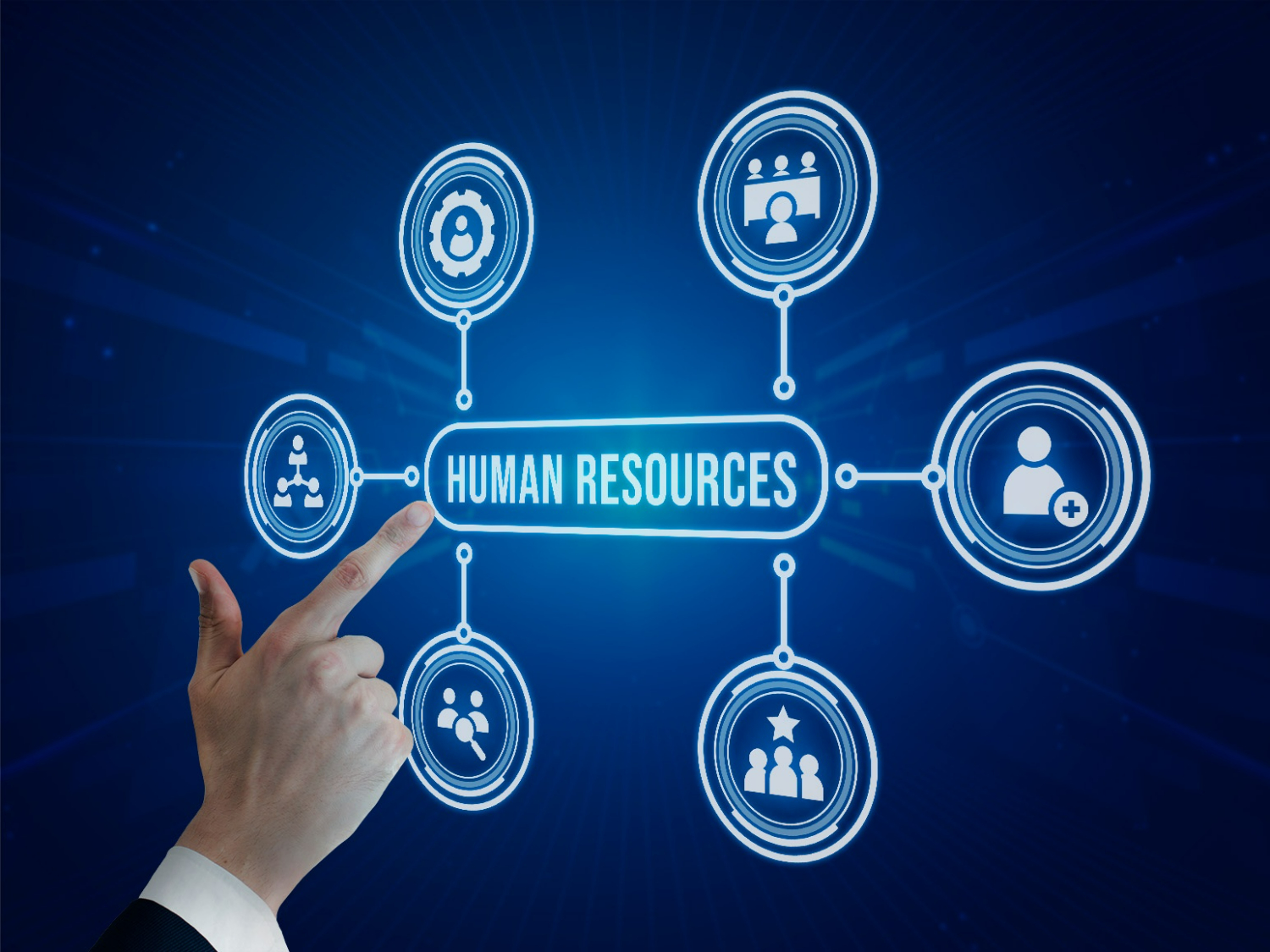
A Human Resource (HR) Management System is a digital or software-based solution designed to streamline HR functions, including employee records, payroll, attendance, performance tracking, and compliance. For small businesses, HR systems exist to simplify operations that would otherwise require extensive manual work. They help maintain accurate records, reduce errors, and support strategic planning in workforce management.
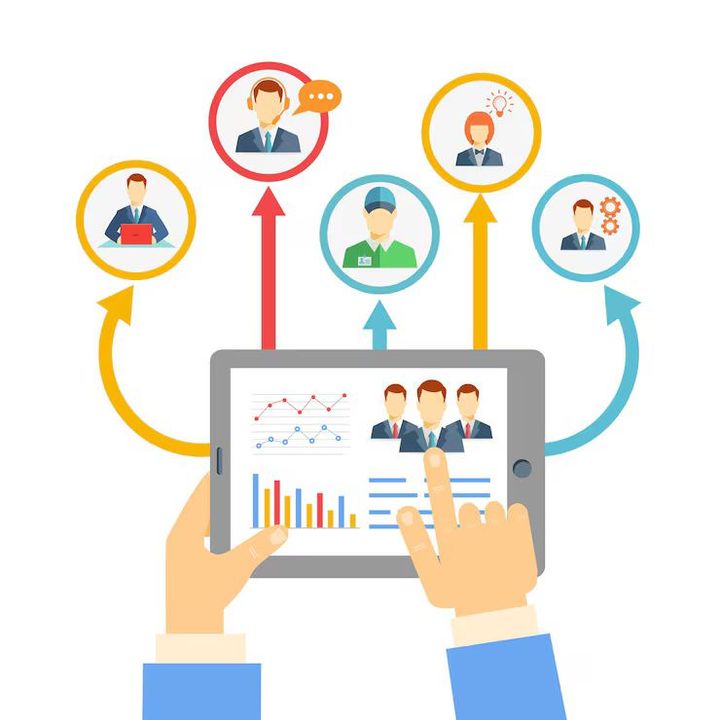
Small businesses often face unique HR challenges. Unlike large corporations, they have limited HR personnel and resources. An HR management system allows business owners and managers to focus on growth and productivity rather than administrative tasks. These systems integrate multiple HR functions into a single platform, ensuring consistency, efficiency, and better decision-making.
Why HR Management Systems Are Crucial Today
Efficient HR management affects employee satisfaction, regulatory compliance, and organizational growth. In today’s competitive business environment, small businesses need to manage their workforce effectively to remain agile and competitive.
Key reasons HR systems are important for small businesses include:
-
Streamlined Employee Records: Digital HR systems reduce errors in storing employee information, leave balances, and employment history.
-
Payroll Accuracy: Automation ensures correct calculations for wages, overtime, and deductions.
-
Time and Attendance Management: Tracking work hours, shifts, and absenteeism becomes straightforward.
-
Performance Monitoring: Managers can set goals, monitor KPIs, and provide feedback efficiently.
-
Regulatory Compliance: Systems help businesses adhere to labor laws, tax regulations, and reporting requirements.
HR management impacts all employees, managers, and business owners. Without a reliable system, small businesses risk administrative inefficiencies, legal penalties, and poor employee engagement.
Trends and Recent Updates in HR Management Systems
Over the past year, HR management systems have evolved significantly, influenced by technology, workforce expectations, and regulatory changes.
-
Increased Cloud Adoption (2025): Cloud-based HR platforms have grown in popularity, enabling remote access, automatic updates, and secure data storage.
-
AI and Automation Integration: AI tools assist in recruiting analytics, employee sentiment tracking, and workflow automation.
-
Remote Work Management: The rise of hybrid and remote work models has driven demand for systems that track attendance, virtual collaboration, and remote productivity.
-
Enhanced Data Analytics: Modern HR systems now provide dashboards and predictive insights for workforce planning and decision-making.
-
Employee Self-Service Portals: Systems allow employees to update information, request leave, and access pay slips without HR intervention.
According to a 2025 report from Gartner, small businesses using integrated HR systems experience a 25% improvement in administrative efficiency and a 15% reduction in payroll errors.
Legal Considerations and Compliance Requirements
HR management in small businesses is closely tied to labor laws, tax regulations, and government programs. Compliance is essential to avoid penalties and legal disputes.
-
Employment Laws: HR systems must adhere to regulations regarding working hours, leave entitlements, minimum wage, and employee contracts.
-
Tax Reporting: Payroll modules ensure accurate deduction and reporting of income tax, social security contributions, and benefits.
-
Data Privacy Regulations: GDPR, CCPA, and local privacy laws require secure storage of personal employee data.
-
Health and Safety Compliance: HR systems help track safety training, incidents, and OSHA (or equivalent) reporting requirements.
Using a structured HR management system makes it easier to generate audit-ready reports and ensures small businesses comply with both national and local legal obligations.
Tools and Resources for Small Business HR Management
Several tools, apps, and templates are useful for managing HR tasks efficiently. These resources help small businesses implement HR practices without a dedicated HR department.
-
HR Software Platforms:
-
BambooHR
-
Zoho People
-
Gusto
-
Paycor
-
-
Payroll Calculators and Attendance Tools:
-
ADP Payroll Calculator
-
TimeCamp or TSheets for attendance tracking
-
-
Templates for Documentation:
-
Employee handbook templates
-
Performance review forms
-
Leave and attendance trackers
-
-
Government Resources:
-
Ministry of Labour websites for labor law updates
-
Tax filing portals for payroll compliance
-
-
Online Learning and Guidelines:
-
SHRM (Society for Human Resource Management) guidelines
-
Online courses on HR management and compliance
-
Using these tools can help small business owners manage HR efficiently while reducing administrative overhead.
Frequently Asked Questions About HR Management Systems
What is the difference between an HR system and a payroll system?
An HR system encompasses a wide range of functions such as recruitment, employee records, performance, and attendance, whereas a payroll system focuses solely on salary calculations, deductions, and tax compliance.
Can small businesses benefit from cloud-based HR systems?
Yes. Cloud-based systems offer easy access from any location, automatic updates, data security, and integration with other business tools, making them ideal for small businesses.
How can HR systems help with legal compliance?
They maintain accurate employee records, automate tax filings, track leave and work hours, and generate audit-ready reports, which ensures adherence to employment laws and regulations.
Are HR management systems expensive for small businesses?
Costs vary depending on the features and the number of users. Some platforms offer scalable options that grow with the business size, making them manageable for small enterprises.
Can HR systems improve employee engagement?
Yes. Features like self-service portals, performance tracking, and transparent leave management help employees feel more empowered and reduce administrative frustration.
Conclusion
HR management systems are vital tools for small businesses seeking efficiency, accuracy, and compliance in workforce management. They streamline administrative processes, improve employee satisfaction, and support legal adherence while enabling managers to focus on growth and strategy. Recent advancements, including AI integration, cloud adoption, and remote work tools, make these systems more accessible and valuable than ever. By selecting the right tools and leveraging available resources, small businesses can achieve effective HR management without complex infrastructure.