Hydrogen Fuel Basics: Explanation of Production Methods and Clean Energy Facts
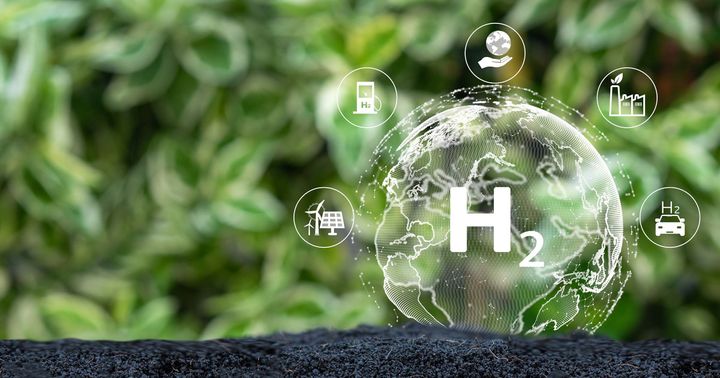
The world is increasingly focused on transitioning away from fossil fuels to combat climate change and reduce air pollution. This global necessity has propelled the discussion around hydrogen fuel—a versatile energy carrier—to the forefront of sustainable energy strategies. Hydrogen is the most abundant element in the universe, and when it's consumed in a fuel cell to produce electricity, its only by-product is pure water vapor and heat
Hydrogen isn't an energy source readily available in its pure form on Earth, as it's typically bonded with other elements, such as in water ($H_2O$) or methane ($CH_4$). Therefore, it must be produced using energy, making its overall cleanliness dependent on the method of its extraction. This has led to a color-coded classification system for hydrogen production methods, which indicates their environmental footprint.
The Crucial Role of Hydrogen in Modern Decarbonization
The development and deployment of hydrogen technology are of significant importance today because they offer a credible pathway to decarbonize sectors that are notoriously difficult to electrify. These "hard-to-abate" sectors include heavy industry, long-haul transport, and seasonal energy storage.
Hydrogen's Impact and Applications
Industrial Decarbonization: Industries like steel production, cement, and chemical manufacturing (e.g., ammonia for fertilizer) currently rely on high-temperature processes powered by fossil fuels. Hydrogen can serve as a clean feedstock or a high-heat fuel source, fundamentally changing the carbon footprint of these industrial giants. For instance, green hydrogen can replace carbon-intensive fossil fuels in the refining of petroleum and the production of ammonia.
Heavy-Duty Transportation: Unlike personal vehicles, where batteries are increasingly viable, long-haul trucking, shipping, and aviation require fuels with high energy density by weight for extended ranges. Hydrogen, especially when used in a fuel cell, provides a superior energy-to-mass ratio compared to batteries, making it an attractive sustainable fuel for these critical logistics and transport sectors.
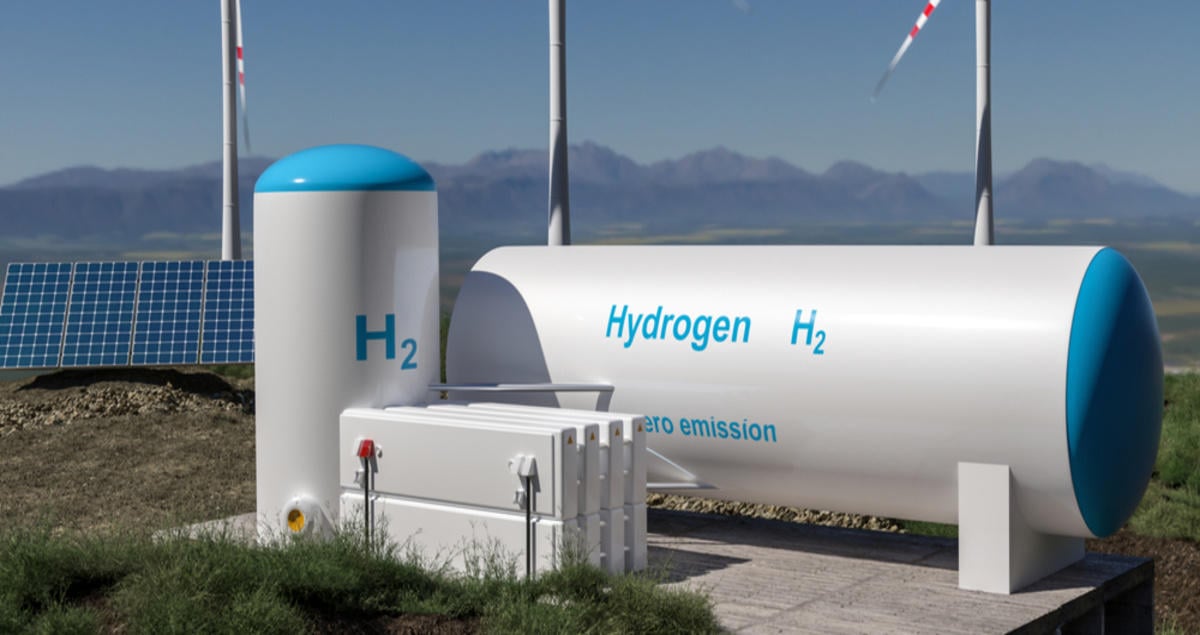
Energy Storage and Grid Stability: Renewable energy sources like solar and wind are intermittent—they don't produce power when the sun isn't shining or the wind isn't blowing. Hydrogen acts as a vast, long-duration energy storage solution. Excess renewable electricity can be used to produce hydrogen (Power-to-Gas), which can then be stored and later converted back into electricity via fuel cells or used in gas turbines during periods of high demand, thus strengthening energy security and grid resilience.
The push for hydrogen affects manufacturers, energy producers, transportation companies, and, ultimately, consumers, by offering cleaner air quality and a more stable, diversified low-carbon energy supply.
Key Hydrogen Production Methods
Understanding how hydrogen is made is crucial to evaluating its environmental credentials. The following methods distinguish the different "colors" of hydrogen:
Gray Hydrogen (Fossil Fuel-Based):
Method: Predominantly produced via Steam Methane Reforming (SMR), where high-temperature steam reacts with natural gas ($CH_4$).
Emissions: This process generates significant carbon dioxide ($CO_2$) as a by-product, making it the most common, but least clean, method today. It is a critical bridge technology, as it utilizes existing infrastructure.
Blue Hydrogen (Low-Carbon Fossil Fuel-Based):
Method: Uses the same SMR process as gray hydrogen, but the resulting $CO_2$ emissions are captured and permanently stored underground through Carbon Capture and Storage (CCS) technology.
Emissions: Significantly lower net $CO_2$ emissions compared to gray hydrogen, positioning it as a low-carbon option.
Green Hydrogen (Clean Renewable-Based):
Method: Produced by electrolysis, the process of splitting water ($H_2O$) into hydrogen ($H_2$) and oxygen ($O_2$) using an electrolyzer.
Emissions: The key is that the electricity used must come from renewable sources (solar, wind, hydro). The only by-products are hydrogen and oxygen, resulting in zero greenhouse gas emissions from the production process itself. This is considered the ultimate sustainable hydrogen solution.
Other emerging methods include Pink Hydrogen (using nuclear power for electrolysis), Turquoise Hydrogen (producing hydrogen and solid carbon through methane pyrolysis), and White Hydrogen (naturally occurring geological hydrogen).
Recent Developments and Technology Trends (2024-2025)
The hydrogen sector has experienced remarkable momentum, transitioning from research to large-scale deployment.
Global Policy Acceleration (2024): Many governments, like India with its National Green Hydrogen Mission (NGHM), have significantly increased funding and policy support. For example, the Indian Union Budget 2024 provided an enhanced allocation for the NGHM to drive production capacity towards specific targets, such as 5 million metric tonnes of green hydrogen per annum.
Green Hydrogen Standards (August 2023): A major step towards global trade and investment certainty was the official notification of the Green Hydrogen Standard. This standard clearly defines a threshold for hydrogen to be certified as "green," typically requiring total lifecycle emissions of no more than 2 kg of $CO_2$ equivalent per 1 kg of $H_2$. This clarity facilitates international trade and prevents greenwashing.
Pilot Projects in Hard-to-Abate Sectors (2024-2025): There's been a surge in pilot projects demonstrating practical applications. For instance, the commissioning of high-altitude Green Hydrogen Mobility Projects (like one in Leh, India) proves the technology's reliability in extreme conditions. Similarly, multiple pilot projects are ongoing to test the use of green hydrogen for iron reduction in the steel industry, directly tackling a major global emitter.
Electrolyzer Technology Advancements: Advances in Polymer Electrolyte Membrane (PEM) and Solid Oxide Electrolysis Cell (SOEC) technologies are rapidly improving the efficiency and durability of electrolyzers. Continuous research and increased manufacturing scale are actively driving down the overall capital expense (CAPEX) of green hydrogen production, making it more competitive with fossil fuel-based methods.
Regulatory Frameworks and Government Programs
Government policies are the main drivers accelerating the shift from gray to clean hydrogen production by creating demand and reducing financial risks for large infrastructure projects.
National Green Hydrogen Mission (NGHM) and Similar Programs
Governments worldwide have adopted missions and policies to establish a domestic hydrogen economy. The NGHM is a prime example of a comprehensive national strategy aimed at making a country a global hub for green hydrogen.
Key Policy Interventions:
Incentive Schemes (SIGHT Programme): Strategic Interventions for Green Hydrogen Transition (SIGHT) programs offer financial incentives for both the domestic manufacturing of electrolyzers and the production of green hydrogen. These schemes are designed to rapidly scale up supply chains and reduce technology reliance on imports.
Infrastructure and Regulatory Easing: Governments often waive key costs like Interstate Transmission Charges for renewable energy used in green hydrogen production, making the electricity input cheaper. Furthermore, policies often streamline environmental clearances, sometimes classifying these projects under a less restrictive category, to enable faster deployment.
Demand Creation: Specific regulations mandate or incentivize the use of green hydrogen in existing industries, such as the fertilizer and petroleum refining sectors, which are already major hydrogen consumers. This guaranteed demand helps secure early-stage investment in new hydrogen production facilities.
Standards and Certification: Establishing a Green Hydrogen Certification Scheme is essential. This allows for rigorous tracking of lifecycle emissions, ensuring that only hydrogen produced with minimal carbon impact is eligible for incentives or can be marketed as "clean."
These policies, which are continuously updated (with new guidelines often released quarterly, as seen in 2024–2025), provide the necessary framework for private capital to invest in a nascent, capital-intensive hydrogen ecosystem.
Essential Tools and Educational Resources
As the hydrogen economy expands, numerous tools and educational platforms have emerged to support industry professionals, students, and the general public.
Cost Modeling Tools: Various organizations, including those in partnership with government bodies, provide Cost Modeling Tools for the production of Green Ammonia and Green Hydrogen. These computational tools help potential investors and policy makers calculate the projected CAPEX and operational expense (OPEX) under different scenarios, such as varying electricity prices and electrolyzer efficiencies.
Industry and Policy Trackers: Websites like the National Green Hydrogen Mission Portal and international organizations like the International Energy Agency (IEA) or Hydrogen Council provide real-time updates, reports, and data on global deployment, policy changes, and technological progress.
Educational Simulators and Kits: Companies and educational institutions offer hands-on fuel cell science kits and educational training modules. These tools, which range from simple lab models to advanced university-level equipment, demonstrate the principles of electrolysis and fuel cell operation, often incorporating solar panels to visualize the entire Power-to-Hydrogen-to-Power cycle.
Academic and Research Publications: Repositories from institutions like Stanford University's Energy Learning Hub and dedicated peer-reviewed journals provide in-depth technical analysis on topics like hydrogen storage, new catalyst development, and systems integration into existing power grids.
Frequently Asked Questions (FAQs) About Hydrogen Fuel
What is the difference between an energy source and an energy carrier?
Hydrogen is an energy carrier, not a primary source. An energy source (like solar, wind, or natural gas) is a substance or process that produces usable energy. An energy carrier (like electricity or hydrogen) stores and delivers energy that has been produced from a primary source. Because hydrogen must be produced using energy, its cleanliness depends entirely on the cleanliness of the original energy source used for its production.
Is hydrogen fuel safe to handle and store?
Hydrogen is a highly volatile and flammable gas, but it is considered to be safe when handled according to established industrial protocols. Being the lightest element, it disperses rapidly into the atmosphere if released, which can be an advantage compared to heavier gaseous fuels that may pool. Like any fuel, strict safety regulations, specialized storage (cryogenic liquid or high-pressure gas), and certified transport infrastructure are necessary. Regulations, Codes, and Standards (RCS) are continuously developed and globally harmonized to ensure its safe application.
What are the main technical challenges facing the widespread adoption of hydrogen?
The primary challenges are storage and distribution and the cost of production. Hydrogen has a very low energy density by volume, meaning it requires significant compression or liquefaction (extremely low temperatures) to store or transport large amounts, which is energy-intensive and capital-intensive. While the cost of green hydrogen is rapidly declining due to electrolyzer scale-up and cheaper renewables, it is currently more expensive to produce than most fossil fuel-based hydrogen, requiring continued policy support and technological innovation.
How does a hydrogen fuel cell work?
A hydrogen fuel cell works like a battery that doesn't run down as long as it's supplied with fuel. It combines hydrogen and oxygen in an electrochemical reaction to produce electricity. The hydrogen is fed to the anode, and oxygen (usually from the air) is fed to the cathode. A catalyst (often platinum-based) splits the hydrogen into protons and electrons. The electrons flow through an external circuit, generating electrical power, while the protons travel through a membrane. At the cathode, the protons and electrons recombine with oxygen to form the only by-product: pure water
conclusion
Hydrogen energy is poised to be a foundational element in the future low-carbon economy. Its unique ability to decarbonize challenging sectors, act as a massive long-duration energy storage solution, and integrate seamlessly with variable renewable power sources positions it as a vital component of the energy transition. The combination of ambitious government policies, significant private investment, and continuous technological breakthroughs—particularly in the efficiency of electrolyzers and the economics of green hydrogen production—suggests that the industry is at a critical inflection point. As infrastructure and standards mature, hydrogen will increasingly move beyond pilot projects to become a globally traded, ubiquitous sustainable fuel, helping to drive the world towards its ambitious net-zero emissions targets.