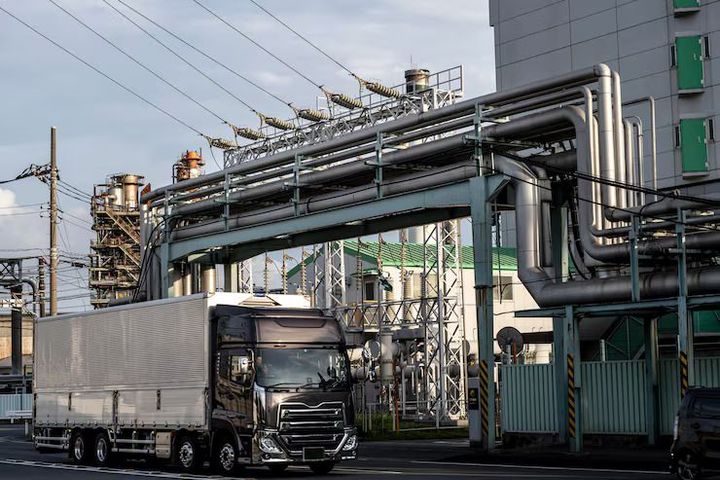
Industrial Power Systems Overview: Components, Functions, and Key Maintenance Insights
Industrial power systems refer to the large‑scale electrical setups that generate, distribute and manage power within manufacturing plants, processing facilities and heavy‑industry settings. In essence, they exist because industrial operations demand reliable, high‑capacity, controlled power — much beyond typical residential or commercial supplies. According to academic sources, these systems deliver three‑phase power to large industrial loads using both synchronous and asynchronous machines to serve machinery, automation lines and large motors.
In practical terms, an industrial power system includes power input (from grid or local generation), step‑up/step‑down transformers, distribution panels, power quality devices (surge protectors, filters), backup or uninterruptible power supplies (UPS), and control systems that monitor and safeguard the power flow.

Importance
Why this topic matters today, who it affects and what problems it solves:
-
Operational continuity: For manufacturing plants or heavy‐industry facilities, even a brief power glitch can halt production, damage equipment or corrupt data. As one source notes, “even a momentary electrical issue can result in … significant problems, such as equipment failures, production delays, data losses and safety hazards.”
-
Equipment longevity and performance: Poor power quality (voltage sag, surges, harmonics) accelerates wear on motors, drives and automation systems, reducing life‑span and increasing maintenance cost.
-
Safety and compliance: Industrial power systems must meet safety standards to protect personnel, avoid fire or arc‑flash incidents, and meet regulatory obligations.
-
Energy efficiency and cost management: With high power consumption, industrial users benefit from efficient distribution, power‑factor correction, reactive power management and minimise losses.
-
Impact scope: This topic affects plant managers, electrical engineers, maintenance teams, safety officers, and utility/commercial power purchasers in industrial sectors. It solves the problems of downtime, equipment failure, regulatory non‑compliance and inefficient power usage.
Below is a table summarising typical components, functions and potential issues:
| Component | Function | Typical problem if lacking |
|---|---|---|
| Transformers | Step‑up or step‑down voltage; isolate circuits | Overheating, voltage drop, inefficient distribution |
| Distribution panels + feeders | Route power to loads/machines | Imbalanced loading, overloaded circuits, voltage imbalance |
| Power quality devices (surge protection, filters, UPS) | Protect sensitive equipment, smooth voltage | Frequent trips, data corruption, equipment damage |
| Monitoring & control systems | Track voltage, current, health of system | Hidden faults, inability to predict failures |
| Backup systems (generators, UPS) | Maintain power during outages | Production loss, safety hazard, restart delays |
Given India’s large manufacturing base, rapid automation uptake (e.g., robotics, IoT in factories) and increasing regulatory scrutiny, robust industrial power systems are more important than ever.
Recent Updates
Here are some notable trends and updates from roughly the past 12 months (2024–25):
-
Increasing adoption of digitalisation in industrial power systems: Many industrial power supply solution providers now emphasise “plant‑wide distribution systems … complemented by … power quality and energy‑storage systems, integration of renewables and co‑generation plants”.
-
Best‑practice emphasis: A recent blog (~11 months ago) highlighted that as factories adopt more automation, robotics and IoT, the need for stable, high‑quality industrial power systems has grown.
-
In Indian context: There has been regulatory attention on electrical safety and infrastructure readiness (for example monsoon‑related safety advisories, stricter inspections) which reflects the pressure on industrial power supply reliability.
-
Shift toward resilience: With supply disruptions (as cited e.g., in major industrial hubs in India) coming into focus, more emphasis is being placed on backup systems, power‑quality monitoring, and preventive maintenance to reduce downtime.
Power‑quality issues: Studies continue to highlght disturbances due to nonlinear loads and harmonic distortion in industrial power systems.
Laws or Policies
In India, industrial power systems are influenced by several regulatory frameworks, covering safety, installation, maintenance and workforce training. Key items include:
-
The Indian Electricity Rules, 1956 governs the construction, installation, protection, operation and maintenance of electric supply lines and apparatus. For example, Rule 29 specifies that “All electric supply lines and apparatus shall be of sufficient rating …” and they must be maintained in healthy condition.
-
The Electricity Act, 2003 provides a broad framework for generation, transmission, distribution, supply of electricity, consumer interests, technical standards etc.
-
Safety in Electrical Installations Handbook notes that all installations must comply with the Electricity Act, 2003 and related regulations; also references national standards (e.g., IS 732) for wiring and earthing.
-
Training and certification requirements: The Central Electricity Authority regulations require generating station and transmission/distribution system personnel to hold defined qualifications and undergo periodic training.
For industrial power systems, this means:
-
Equipment must be rated and installed per code and maintained in healthy condition.
-
Identified regulated inspection/maintenance must be documented.
-
Personnel must be competent and trained.
-
Safety clearance, earthing, protective equipment and power‑quality measures are required.
While some of these regulations target utilities, industrial facilities consuming large power loads also fall under regulatory scrutiny and must ensure compliance to avoid penalties, safety incidents and downtime.
Tools and Resources
Here are helpful tools, calculators, websites or templates that relate to industrial power systems and their maintenance:
-
Power factor and energy saving calculators (many online via utility/engineering supplier sites) – useful for industrial loads to assess reactive power, harmonics and savings.
-
Power‑quality monitoring tools and dashboards (software platforms offered by major equipment vendors) – help visualise voltage sags, interruptions, harmonics.
-
Standard check‑lists for electrical maintenance (e.g., Surge protection, earthing inspection, insulation resistance testing). Based on best‑practice blog from automation systems provider.
-
Training modules/templates: Regulatory guidance (Central Electricity Authority) for personnel training and competency tracking.
-
Standards and code references: For example, IS 732 (installation code), Indian Electricity Rules 1956, and handbooks such as “Safety in Electrical Installations Handbook”.
When implementing a maintenance schedule, a table such as the following may help plan inspections:
| Inspection frequency | Activity | Key check items |
|---|---|---|
| Daily / shift start | Visual walk‑through | No overheating, audible anomalies, alarms |
| Weekly | Panel & breaker check | Tightness, dust, proper labelling |
| Monthly | Power‑quality log review | Voltage variation, harmonic distortion, load imbalance |
| Quarterly | Transformer/cable thermography | Hot spots, early fault detection |
| Annually | Full system audit | Earthing test, insulation resistance, surge protection review |
Using such structured tools and templates supports proactive rather than reactive maintenance.
FAQs
Q1. What is meant by “power quality” in an industrial power system?
Power quality refers to the characteristics of the electrical supply — voltage stability, frequency, absence of excessive harmonics, minimal interruptions or surges. Poor power quality can lead to equipment malfunction or failure.
Q2. How often should maintenance be performed on an industrial power system?
There is no one‑size‑fits‑all schedule, but a combination of daily visual checks, monthly review of logs, and annual full audits is a common framework. Critical components (transformers, UPS, surge protectors) may require more frequent inspection. The blog on best practices suggests regular testing and maintenance as a key criterion for reliable power systems.
Q3. What are typical signs that an industrial power system needs attention?
Signs include repeated tripping of breakers, unusual heating of transformers or cables, flickering lights, frequent downtime of equipment, data corruption in control systems, or unexpected voltage dips/surges. These suggest underlying issues in distribution or protection.
Q4. Can renewables or energy‑storage systems be integrated into industrial power systems?
Yes. Modern industrial power system designs increasingly permit integration of energy‑storage, co‑generation, renewables and advanced power‑quality devices. This supports resilience, sustainability and efficiency.
Q5. What regulatory compliance is required for electrical safety in industrial installations in India?
Industrial installations must comply with the Indian Electricity Rules 1956 (e.g., Rules 29, 30 etc), the Electricity Act 2003, and relevant national standards (e.g., IS 732). Equipment must be properly installed, rated, maintained and checked by qualified personnel; documentation of inspections is also often required.
Conclusion
Industrial power systems form the backbone of modern manufacturing and processing operations. By combining components such as transformers, distribution panels, power‑quality devices, monitoring and backup systems, they deliver reliable, safe and efficient electrical service tailored to heavy loads. The importance of such systems cannot be overstated — affecting production continuity, equipment lifespan, energy efficiency and workplace safety.
In recent years the focus has shifted toward digitalisation, resilience, renewable integration and power‑quality monitoring. At the same time, regulatory expectations (in India and globally) demand that industrial sites maintain rated systems, comply with safety regimes and ensure trained personnel operate and maintain equipment.By leveraging appropriate tools, structured maintenance schedules and compliance frameworks, industrial organisations can minimise risks from power‑related failures, safeguard assets and support efficient operations. For professionals managing industrial facilities, understanding these components, functions and key maintenance insights is essential.