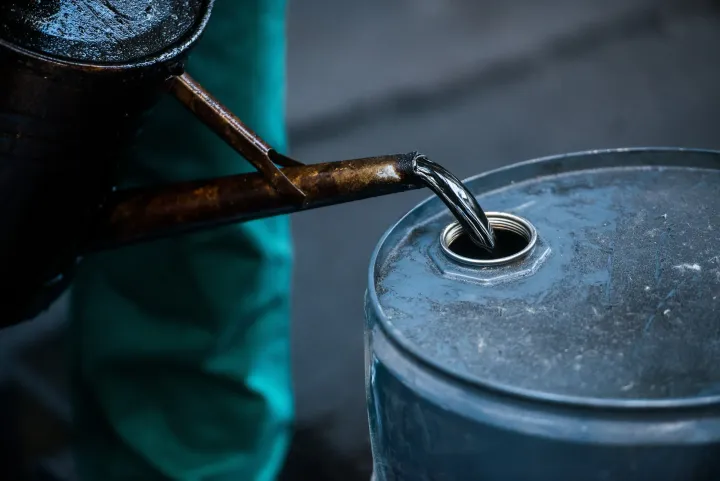
Learn About Crude Oil: Basic Concepts, Helpful Information, and Expert Knowledge Explained
Crude oil is a naturally occurring fossil fuel found deep beneath the Earth’s surface. It is formed from the remains of ancient marine organisms that decomposed over millions of years under intense heat and pressure. This process created a hydrocarbon-rich liquid that serves as a major source of energy and raw material for countless industries.
The reason crude oil exists as such a vital resource lies in its unique chemical composition — it contains hydrocarbons that release significant energy when burned. Because of this, crude oil remains one of the most valuable natural resources in the modern world.

The Global Importance of Crude Oil
Crude oil is a cornerstone of global energy supply and economic stability. It influences nearly every sector, from industrial operations to household energy consumption. Around 31% of the world’s total energy demand is still met by oil-based fuels, making it the single largest energy source today.
Oil-producing nations such as the United States, Saudi Arabia, Russia, and Canada play a crucial role in maintaining the global energy balance. The price of crude oil directly impacts inflation, transportation costs, and the manufacturing sector.
Why Crude Oil Matters Today
-
Energy Security: It powers vehicles, industries, and power plants.
-
Economic Influence: Oil prices affect national economies and trade balances.
-
Industrial Applications: Used in plastics, chemicals, fertilizers, and lubricants.
-
Technological Growth: Drives innovation in drilling, refining, and environmental management.
Who It Affects
-
Governments: Manage energy policies and trade relationships.
-
Businesses: Depend on stable oil prices for planning and logistics.
-
Consumers: Experience indirect effects through transportation and energy costs.
-
Environment: Oil extraction and use impact ecosystems, air quality, and climate.
The shift toward cleaner energy alternatives has made crude oil a topic of global debate. While renewable energy is growing rapidly, oil continues to be an essential transitional energy source.
Recent Updates and Global Trends
In the past year, several key trends have reshaped the crude oil landscape.
1. Fluctuating Oil Prices (2024–2025):
Oil prices have remained volatile, fluctuating between USD 70 and 95 per barrel due to global demand recovery, geopolitical tensions, and production adjustments by OPEC+.
2. Growing Investment in Carbon Capture:
Oil companies are investing heavily in carbon capture and storage (CCS) technologies. For example, in early 2025, multiple new CCS projects were announced in North America and the Middle East to reduce emissions from oil refining and production.
3. Increasing Renewable Integration:
Hybrid energy strategies now combine crude oil operations with solar and wind energy to power drilling sites, improving sustainability metrics.
4. Digital Transformation in Oil Fields:
Artificial intelligence (AI), Internet of Things (IoT), and predictive analytics are being used to enhance drilling efficiency and reduce operational risks. According to a 2024 Energy Technology Report, digital oilfield solutions are projected to reduce production costs by up to 15%.
5. Global Shift in Demand:
While traditional markets in North America and Europe show slower demand, countries in Asia—particularly India and China—continue to experience rising oil consumption as industrial activity expands.
| Region | 2025 Oil Demand Trend | Key Factors |
|---|---|---|
| North America | Moderate decline | Renewable adoption, EV growth |
| Europe | Stable | Energy transition policies |
| Asia | Strong growth | Industrial expansion |
| Middle East | Steady | Export focus and diversification |
Laws, Policies, and Global Regulations
Crude oil production and consumption are highly regulated across the world. Policies vary by region but generally focus on environmental protection, safety, and trade balance.
1. Environmental Standards:
Many countries, including the U.S. and European Union members, enforce strict emission limits and safety regulations on oil extraction and refining. Agencies such as the U.S. Environmental Protection Agency (EPA) and the European Environment Agency (EEA) monitor compliance.
2. OPEC+ Production Policies:
The Organization of the Petroleum Exporting Countries (OPEC) and its allies manage global production to stabilize prices. Decisions made during OPEC meetings significantly influence global oil supply and pricing.
3. Government Subsidies and Taxes:
Several countries impose taxes on crude oil imports or provide incentives for domestic exploration. For example, India applies excise duties and value-added tax (VAT) on crude oil and refined products.
4. Carbon Reduction Targets:
Under the Paris Agreement, countries are committed to reducing greenhouse gas emissions. This has encouraged new policies promoting energy efficiency and reduced reliance on fossil fuels.
5. Offshore and Drilling Regulations:
Governments require permits and environmental assessments before offshore drilling. Regulations like the U.S. Clean Water Act ensure that oil companies maintain environmental responsibility during exploration.
Tools, Resources, and Helpful Platforms
Understanding crude oil trends and data requires access to reliable tools and resources. These help researchers, investors, and policymakers track market dynamics, forecast prices, and measure environmental impact.
Popular Tools and Websites
-
U.S. Energy Information Administration (EIA): Provides updated statistics and global oil market reports.
-
OilPrice.com: Tracks live crude oil prices, news, and analysis.
-
Trading Economics: Offers data on oil production, consumption, and forecasts.
-
BP Statistical Review of World Energy: Comprehensive annual report on global energy trends.
-
IEA Oil Market Report: Monthly updates on supply, demand, and policy changes.
Useful Calculators and Apps
-
Energy Conversion Calculator: Converts oil units (barrels, tons, liters) for trade or analysis.
-
Carbon Footprint Calculator: Estimates emissions related to crude oil consumption.
-
Oil Price Tracker Apps: Provide live price alerts and historical charts for Brent and WTI crude.
Data Visualization Example
| Crude Oil Type | Average 2025 Price (USD/barrel) | Sulfur Content | API Gravity |
|---|---|---|---|
| Brent Crude | 84 | 0.37% | 38 |
| WTI (West Texas Intermediate) | 82 | 0.24% | 39 |
| Dubai Crude | 80 | 2.0% | 31 |
Frequently Asked Questions
1. What is crude oil made of?
Crude oil primarily consists of hydrocarbons — compounds made of hydrogen and carbon atoms — along with small amounts of sulfur, nitrogen, and metals.
2. What are the main types of crude oil?
The three major classifications are light, medium, and heavy crude, based on density and sulfur content. Light crude is preferred for refining high-quality fuels.
3. How does crude oil impact the environment?
Oil extraction and use contribute to greenhouse gas emissions and can cause spills that harm marine and land ecosystems. Global efforts aim to make production cleaner and safer.
4. What determines the price of crude oil?
Prices depend on global supply and demand, geopolitical stability, OPEC policies, currency exchange rates, and inventory levels.
5. Can crude oil be replaced by renewable energy?
Renewables are growing rapidly, but complete replacement is still challenging. Crude oil remains essential for sectors like aviation, shipping, and petrochemicals where alternatives are limited.
Conclusion
Crude oil remains a cornerstone of the global economy, powering industries, transportation, and technological development. Despite growing efforts toward renewable energy and carbon neutrality, oil continues to serve as a critical energy source that bridges the transition to a more sustainable future.
Understanding its formation, significance, and regulation provides valuable insight into how energy systems work and evolve. By following reliable data sources and staying informed about new policies and innovations, individuals and organizations can make knowledgeable decisions in an energy-conscious world.