Ethical Jewellery Explained: A Complete Guide to Sustainable and Responsible Choices
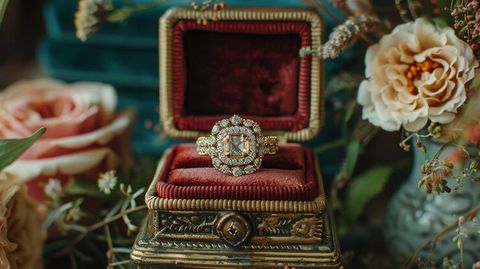
Ethical jewellery refers to pieces made with respect for people, the planet, and fair trade principles. It focuses on responsible sourcing, transparent supply chains, and reduced environmental impact. This concept emerged as consumers began questioning where their jewellery materials—especially gold, silver, and gemstones—come from and under what conditions they were mined or produced.
Why Ethical Jewellery Matters Today
Sustainability has become a global priority. The jewellery industry, worth over $340 billion annually, plays a significant role in this conversation. Ethical jewellery matters because it directly affects multiple aspects of society and the environment.
Environmental impact: Mining for metals and gemstones can lead to deforestation, water pollution, and soil erosion. Responsible jewellery brands focus on recycled metals, lab-grown diamonds, and sustainable mining methods to minimize damage.
Human rights: Unethical mining practices are often linked to child labour and unsafe working conditions. Ethical jewellery supports fair wages and community development programs that protect workers’ rights.
Consumer awareness: Modern consumers increasingly seek transparency. Ethical jewellery provides a sense of trust and integrity, helping people make informed and responsible decisions.
Circular economy: By promoting recycled materials and low-impact production, ethical jewellery contributes to a more sustainable and circular global economy.
| Aspect | Traditional Jewellery | Ethical Jewellery |
|---|---|---|
| Source of Materials | Often unknown or untraceable | Fully traceable and transparent |
| Environmental Impact | High, due to mining and waste | Low, through recycling and clean energy |
| Labour Practices | May involve exploitation | Fair trade and safe working conditions |
| Materials Used | Newly mined gold and gems | Recycled metals, lab-grown or conflict-free stones |
| Sustainability | Minimal focus | Central to production and design |
Current Trends and Developments
In 2024–2025, ethical jewellery gained stronger attention as environmental and social concerns grew globally. Several key trends have shaped the industry:
Lab-grown diamonds and gemstones: Over the past year, demand for lab-grown diamonds increased by nearly 20% (2024 data). These gems are chemically identical to mined ones but have a much smaller environmental footprint
Blockchain technology: Traceability has improved through blockchain systems. Companies like De Beers’ “Tracr” platform (updated in 2024) allow customers to verify the origin of their diamonds in real time.
Recycled precious metals: Many jewellery makers are using recycled gold and silver to reduce the need for new mining. The World Gold Council reported a steady rise in recycled gold use since 2023.
Sustainable packaging and production: Brands now focus on biodegradable or recyclable packaging materials, renewable energy use in workshops, and reducing carbon emissions across the production chain.
Cultural and artisanal revival: Indigenous and local jewellery artisans are receiving recognition for sustainable craftsmanship that supports traditional knowledge and local economies.
These developments highlight a growing alignment between luxury, sustainability, and responsibility—an important shift for both the industry and consumers.
Laws and Global Policies Influencing Ethical Jewellery
Ethical jewellery is closely tied to international laws, human rights policies, and environmental regulations. Governments and organizations around the world have implemented standards to ensure responsible sourcing.
Responsible Jewellery Council (RJC): Established guidelines ensure ethical practices across the supply chain, including fair labour, environmental protection, and anti-corruption measures.
Kimberley Process Certification Scheme (KPCS): This global initiative, active since 2003, prevents “conflict diamonds” from entering the market. It requires governments and traders to certify that diamonds are conflict-free.
OECD Due Diligence Guidance (2016, updated 2023): Provides a framework for companies to assess and manage risks in their mineral supply chains, especially regarding gold, tin, and tungsten.
uropean Union Regulations (2024 update): The EU introduced stricter due diligence requirements for importers of precious metals and stones to ensure responsible sourcing.
India’s Gem & Jewellery Export Promotion Council (GJEPC): Encourages sustainable mining practices and transparency for Indian jewellers exporting globally.
United States Dodd-Frank Act (Section 1502): Regulates sourcing of conflict minerals and promotes transparency for jewellery companies operating in the US market.
These laws collectively strengthen ethical accountability, making the jewellery sector more transparent and sustainable.
Helpful Tools and Resources
There are several tools and platforms that help individuals and professionals assess jewellery sustainability and trace material origins.
1. Tracr (De Beers): A blockchain-based platform providing real-time traceability for diamonds.
2. Fairmined Standard: Certification system ensuring gold and silver come from responsible artisanal mines.
3. RJC Certified Members Directory: Public database listing companies that meet Responsible Jewellery Council standards.
4. EcoCart: Helps calculate the carbon footprint of jewellery shipments and suggests offset options.
5. Ethical Metalsmiths: A nonprofit promoting awareness, education, and community-driven ethical practices in jewellery making.
6. Sustainable Jewellery Council Reports: Offer industry insights, sustainability benchmarks, and global policy updates.
7. Recycled Metal Calculators: Online tools that estimate environmental savings when using recycled gold or silver instead of mined metals.
| Tool/Resource | Purpose | Access Type |
|---|---|---|
| Tracr | Track diamond origins via blockchain | Website |
| Fairmined | Certification for responsible gold mining | Organization |
| RJC Directory | Verify certified ethical jewellers | Public database |
| EcoCart | Estimate shipment carbon impact | Web app |
| Ethical Metalsmiths | Educational and advocacy resource | Nonprofit platform |
These tools help consumers, businesses, and researchers understand how to measure and support ethical standards in jewellery production and consumption.
Frequently Asked Questions
1.What makes jewellery “ethical”?
Jewellery is considered ethical when its materials are sourced responsibly, workers are treated fairly, and production minimizes environmental harm. It also emphasizes transparency and traceability.
2.Are lab-grown diamonds considered ethical?
Yes, lab-grown diamonds are typically more sustainable than mined ones. They avoid the social and environmental issues linked to traditional mining, although energy use in production still matters.
3.What certifications should I look for in ethical jewellery?
Common certifications include Fairmined, Fairtrade Gold, and Responsible Jewellery Council (RJC) membership. These indicate adherence to ethical, social, and environmental standards.
4.Is recycled gold better for the environment?
Recycled gold has a much lower environmental impact than newly mined gold because it reduces the need for mining, which consumes large amounts of energy and water.
5.How can I verify if a piece of jewellery is conflict-free?
You can check if it follows the Kimberley Process or ask whether the brand provides origin details and RJC or Fairmined certification.
Conclusion
Ethical jewellery represents a shift toward greater responsibility and sustainability in a centuries-old industry. It connects human rights, environmental protection, and transparency, showing that beauty can coexist with conscience. As awareness grows, technology, policy, and consumer choices continue to shape a more equitable and sustainable jewellery landscape.Understanding and supporting ethical jewellery helps promote positive change across global supply chains—from miners and artisans to the final wearer. With the right tools, transparent standards, and conscious choices, ethical jewellery can redefine how luxury and responsibility coexist in the modern world.