Understanding Automated Parking Technology: Overview, Explanation, and Expert Knowledge
Automated Parking Technology, often referred to as Automated Parking Systems (APS) or robotic parking, is a sophisticated mechanical and software-driven solution designed to store and retrieve vehicles with minimal human intervention
An APS addresses this by using electromechanical lifts, automated guided vehicles (AGVs), and vertical stacking mechanisms to move a car from a drop-off point to a designated parking slot.the significance of this innovative parking solution extends across several layers of modern urban life, impacting both city planning and the daily experience of drivers.

Who It Affects and Solves Problems For
Real Estate Developers and Urban Planners: APS offers a valuable tool for maximizing the utility of premium urban land.
By enabling a higher density of vehicles in a smaller area, developers can allocate more space to residential, commercial, or green areas, enhancing the overall project value and sustainability profile. Motorists: The technology enhances convenience and safety.
Drivers no longer spend time circling for a spot, reducing stress and eliminating the minor damage (scrapes, dents) that can occur in tight parking situations. Furthermore, the parked vehicles are secured in areas with no public access. The Environment and Smart Cities: By minimizing the time vehicles spend idling and searching for parking—a major contributor to urban traffic congestion and emissions—APS supports sustainable mobility goals.
They also align perfectly with the push toward integrated smart city infrastructure, leveraging Internet of Things (IoT) sensors and real-time data for efficiency.
Core Operational Benefits
| Operational Area | Automated Parking System Benefit | Traditional Parking System |
| Space Efficiency | Up to 70% reduction in parking footprint. | Requires large areas for ramps, aisles, and door clearance. |
| Vehicle Security | High security; no public access to parked vehicles. | Open access, susceptible to theft and minor damage. |
| Search Time | Nearly zero search time for the driver. | Significant time spent cruising for an open space. |
| Emissions | Reduced vehicle emissions within the facility. | Higher emissions from circling vehicles and continuous ventilation needs. |
Recent Updates: Technological Advancements and Market Trends
The automated parking sector is experiencing robust growth and rapid technological evolution, with key advancements focusing on intelligence and seamless integration.
Artificial Intelligence (AI) and IoT Integration: A major trend noted throughout 2024 is the deeper integration of AI and IoT technology for predictive maintenance, real-time monitoring, and intelligent slot allocation.
This allows systems to learn usage patterns and optimize car placement, further improving retrieval times and efficiency Rise of AGV Systems: Automated Guided Vehicle (AGV) systems have emerged as a dominant structure type in the market (e.g., in early 2024, one firm launched a highly-adopted AGV-based system).
15 AGVs, which are essentially autonomous robots that lift and move cars, offer versatility and scalability for complex parking layouts, making them the preferred choice for many new commercial and residential facilitiesFocus on Sustainability and EV Readiness: New systems are being designed with a strong emphasis on sustainability.
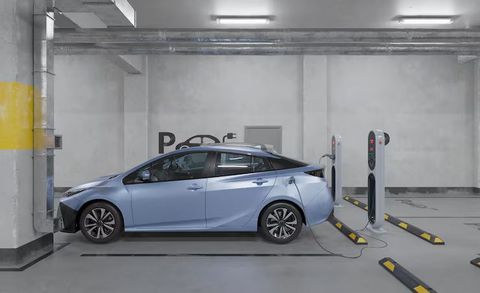
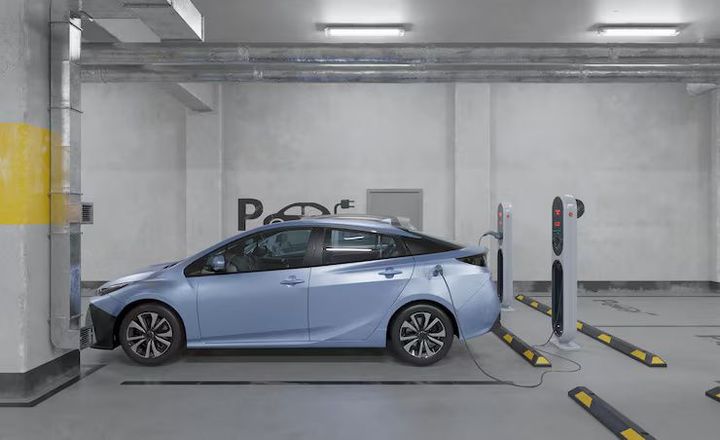
This includes energy-efficient components, minimized need for ventilation and lighting, and the crucial integration of Electric Vehicle (EV) charging infrastructure directly into the parking slots. This future-proofing is vital given the increasing adoption of electric vehicles globally Market Growth and Investment: Market analysis from 2024 projections indicates a significant Compound Annual Growth Rate (CAGR) for the automated parking system market, driven primarily by demand in North America and the Asia-Pacific region, especially in smart city projects. The commercial segment, including hospitals and airports, continues to be the largest end-user segment.
Laws or Policies: Navigating the Regulatory Landscape
The regulatory environment for Automated Parking is an evolving area, often intersecting with broader laws governing autonomous and connected vehicle technology, building codes, and urban planning initiatives. While specific parking dimensions and operations are governed by local municipal building codes, the technology itself is influenced by national and international regulations concerning vehicle automation.
Autonomous Vehicle Regulations: At the vehicle-level, systems like Automated Valet Parking (AVP)—where a driver leaves the car and the vehicle parks itself—fall under the same regulatory discussions as other levels of automated driving. In the European Union, regulations such as UNECE Regulation 157 for Automated Lane Keeping Systems (ALKS) and its extensions are foundational.
Although ALKS governs highway driving, the overall framework for vehicle safety and cyber security (Regulations 155 and 156) sets precedents for all in-vehicle autonomous functions Building and Fire Codes (Local Level): The primary regulatory hurdles for APS are typically at the local city or state level. Since automated garages lack continuous human presence, they require special consideration for fire suppression, ventilation, and structural integrity. Building codes must be adapted to account for the unique design of vertical stacking systems, which are significantly different from traditional concrete parking structures.
Smart City and Planning Programs: Government initiatives, particularly the "Smart Cities Mission" in various countries, actively promote the adoption of advanced technologies like APS to address urban challenges.
Policy support often takes the form of funding, prioritizing smart infrastructure in urban development plans, and creating regulatory sandboxes to test new solutions. This public-sector endorsement is a significant driver of adoption, especially in high-density urban zones.
Tools and Resources: For Planning and Education
For individuals, developers, and municipalities interested in understanding or implementing automated parking, several types of tools and informational resources are valuable.
Feasibility and Space Calculators: Many automated parking system providers offer online or custom software tools that help developers input their land dimensions and required vehicle capacity. These calculators provide preliminary schematics and estimates for the optimal system type (e.g., tower, puzzle, silo) and its resulting space optimization.
Industry and Research Reports: Publications from market research firms and organizations like the International Parking & Mobility Institute (IPMI) or relevant engineering associations offer deep insights into market trends, long-term projections, and technological benchmarks. These are crucial for strategic planning and understanding the total life cycle impact of a system.
Simulation Software: Advanced software is utilized by engineers to simulate the entire parking process, including drop-off, retrieval times, peak-hour load capacity, and fault tolerance. These simulations are essential for validating the performance and reliability of the robotic parking solution before construction begins.
Standardization Organizations: Resources from bodies like the Society of Automotive Engineers (SAE) provide technical standards for vehicle-level automation, which dictates how in-car AVP features must communicate with external infrastructure.
FAQs: Understanding Automated Parking
How does a fully automated parking system work?
A fully automated system operates much like a robotic valet.
Are these systems safe for the vehicle and the user?
Yes, automated systems are designed to enhance safety.
What are the main types of automated parking systems?
The primary types are categorized by how they move and store the vehicles:
Tower Systems: Stack cars vertically in a shaft-like structure, maximizing height utilization.
Puzzle Systems: Use a grid of platforms that move cars horizontally and vertically, like a sliding puzzle, offering a good balance of space savings and accessibility.
AGV (Automated Guided Vehicle) Systems: Use small, independently moving robots to lift and transport cars to any available spot, offering high flexibility and redundancy.
What is the typical retrieval time for a car?
Retrieval time can vary based on the system's design, its current occupancy, and the car's location within the structure. However, modern, well-designed systems aim for an average retrieval time of between 2 to 4 minutes. The use of sophisticated software for queue management and optimization is critical to achieving these rapid retrieval metrics.
Conclusion: The Future of High-Density Parking
Automated Parking Technology represents a fundamental shift in how urban planners and developers approach vehicle accommodation. It is a powerful infrastructural solution driven by advancements in robotics, software, and artificial intelligence, offering a compelling answer to the twin challenges of urban density and environmental sustainability.