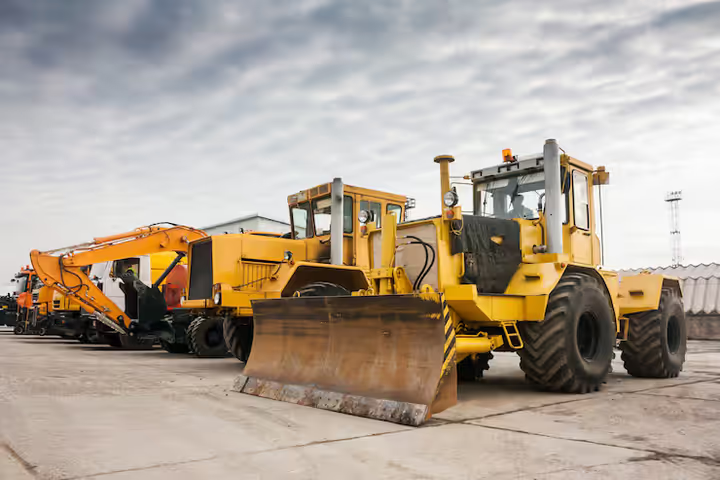
Industries that commonly rely on heavy equipment leasing include construction, mining, logistics, infrastructure development, agriculture, and energy production. These industries require advanced machinery to perform large-scale tasks efficiently, but the financial commitment of purchasing equipment outright can be significant.
Leasing provides an alternative that allows companies to use machinery while managing financial resources more flexibly. Equipment leasing agreements typically outline the lease duration, maintenance responsibilities, and payment structure.
Modern infrastructure projects, including highways, rail systems, renewable energy facilities, and urban development projects, often depend on leased machinery. This structure enables organizations to match equipment usage with project timelines.
Another reason leasing exists is the rapid technological advancement in heavy machinery. Construction technology evolves frequently, with new equipment offering improved fuel efficiency, automation features, and safety systems. Leasing arrangements allow businesses to utilize modern equipment without being tied to long-term ownership.
Because of these factors, equipment financing and machinery leasing have become widely used financial strategies within construction and industrial operations.
Why Heavy Equipment Leasing Matters Today
Heavy equipment leasing plays an important role in supporting infrastructure growth, industrial productivity, and project efficiency.
Construction and industrial sectors frequently operate on project-based timelines. Equipment requirements may vary depending on project size, terrain conditions, and technical demands. Leasing helps organizations adapt their equipment capacity according to changing operational needs.
Several key benefits explain why leasing has become common across many industries.
• Improved capital management for large infrastructure projects
• Access to modern construction machinery and industrial equipment
• Flexibility for project-based equipment usage
• Reduced concerns related to equipment depreciation
• Easier fleet management for construction companies
Large infrastructure initiatives around the world—such as transportation networks, renewable energy installations, and smart city developments—require specialized machinery for limited time periods. Leasing helps contractors match equipment availability with project schedules.
Heavy equipment leasing also supports smaller contractors who may not have access to large capital investments. By using leasing structures, smaller construction firms can participate in major infrastructure projects while managing financial resources effectively.
The approach also reduces operational downtime. Equipment leasing providers often maintain fleets of machinery ready for deployment, allowing companies to access equipment quickly when projects begin.
Another factor influencing the importance of leasing is equipment lifecycle management. Industrial machinery experiences wear and tear during intensive operations. Leasing arrangements sometimes include maintenance provisions, reducing operational interruptions and improving project efficiency.
These advantages have contributed to the growing use of construction equipment leasing, industrial equipment financing, and heavy machinery rental models across global infrastructure sectors.
Trends and Developments in the Past Year
The heavy equipment leasing industry has experienced several developments during the past year due to technological innovation, economic conditions, and global infrastructure investments.
One major trend involves the adoption of telematics technology in leased machinery. Telematics systems allow operators and project managers to monitor equipment usage, fuel consumption, location tracking, and maintenance indicators. Throughout 2025, several equipment manufacturers integrated advanced telematics platforms to improve fleet visibility.
Another trend is the increased use of electric and hybrid construction equipment. Environmental sustainability has become an important factor in infrastructure planning. In 2024 and 2025, manufacturers introduced electric excavators, battery-powered loaders, and low-emission machinery designed for urban construction environments.
Digital platforms have also influenced the leasing industry. Equipment marketplaces now allow companies to compare machinery specifications, project suitability, and leasing options through online platforms. These digital tools support better planning for infrastructure projects.
In addition, global infrastructure investment programs have increased demand for construction machinery. Governments across regions have announced new transportation, energy, and housing initiatives.
The following table summarizes notable trends observed recently.
| Trend | Description | Impact on Industry |
|---|
| Telematics Integration | Smart sensors track machine performance and location | Improved equipment management |
| Electric Construction Equipment | Battery-powered machinery for urban projects | Reduced environmental impact |
| Digital Equipment Platforms | Online platforms for machinery access | Increased transparency |
| Infrastructure Investment | Government infrastructure programs | Higher demand for machinery |
These developments demonstrate how technology, sustainability goals, and infrastructure growth are shaping the future of heavy equipment leasing.
Laws, Regulations, and Government Policies
Heavy equipment leasing operates within regulatory frameworks that influence safety standards, environmental compliance, and financial reporting.
Construction and industrial equipment must follow strict workplace safety regulations. Safety authorities in many countries require machinery to meet engineering and operational standards designed to protect workers and construction sites.
Common regulatory areas affecting heavy equipment include:
• Equipment safety certification requirements
• Environmental emission standards
• Workplace safety compliance rules
• Machinery inspection regulations
Environmental regulations have become increasingly important in recent years. Many governments have introduced emission standards for construction machinery engines. These policies encourage the use of fuel-efficient or low-emission equipment, influencing the types of machinery available within leasing fleets.
Infrastructure programs also influence leasing demand. Government investments in transportation networks, energy infrastructure, and public construction projects create large-scale equipment requirements.
Some regions also provide policy support for sustainable construction practices, which may include incentives for low-emission machinery or electrified construction equipment.
Financial reporting standards can also affect equipment leasing structures. Accounting guidelines in many countries require businesses to record certain lease arrangements on financial statements. These standards help provide transparency in financial reporting and asset management.
Understanding these regulatory considerations helps construction companies operate equipment responsibly while maintaining compliance with industry guidelines.
Helpful Tools and Resources for Equipment Leasing
Several digital tools and platforms support organizations that manage construction equipment fleets or participate in equipment leasing arrangements. These tools help track machinery usage, plan infrastructure projects, and manage fleet operations.
Common categories of helpful resources include:
• Construction equipment management software
• Fleet tracking platforms
• Equipment utilization calculators
• Infrastructure planning tools
• Maintenance scheduling systems
These tools allow project managers to monitor equipment productivity and improve project coordination.
The table below highlights common digital resource types used in construction fleet management.
| Tool Type | Purpose | Typical Use |
|---|
| Fleet Tracking Software | Monitor equipment location and usage | Project logistics |
| Equipment Utilization Calculators | Measure machine efficiency | Construction planning |
| Maintenance Tracking Systems | Schedule inspections and servicing | Equipment reliability |
| Digital Construction Platforms | Manage project documentation | Infrastructure coordination |
Some project planning tools also integrate with telematics systems to create data-driven insights. These insights help construction managers evaluate machine performance and optimize equipment allocation.
Digital tools continue to play an expanding role as construction projects become more complex and data-driven.
Frequently Asked Questions
What is heavy equipment leasing?
Heavy equipment leasing is a financial arrangement that allows organizations to use construction or industrial machinery for a specified period while making scheduled payments for usage. It enables companies to access equipment without full ownership.
Which industries commonly use heavy equipment leasing?
Industries such as construction, mining, agriculture, infrastructure development, logistics, and energy production frequently rely on leased machinery to support operations.
Why do construction companies use equipment leasing?
Leasing allows companies to access modern machinery while managing capital resources more effectively. It also provides flexibility for projects that require equipment only for a limited time.
How has technology influenced equipment leasing?
Technology has introduced telematics systems, digital fleet tracking tools, and smart construction platforms. These technologies help monitor equipment performance, location, and maintenance needs.
Does equipment leasing affect financial reporting?
Yes. Some accounting standards require businesses to record certain leasing arrangements in financial statements. This helps improve financial transparency and asset management.
Data Snapshot: Global Equipment Leasing Growth
The following chart illustrates general growth patterns in construction equipment leasing demand.
| Year | Estimated Global Leasing Demand Index |
|---|
| 2021 | 100 |
| 2022 | 108 |
| 2023 | 116 |
| 2024 | 124 |
| 2025 | 133 |
This trend reflects increased infrastructure investments and the growing role of equipment financing in construction industries worldwide.
Conclusion
Heavy equipment leasing has become an important operational strategy within construction and industrial sectors. By allowing organizations to access specialized machinery without long-term ownership commitments, leasing structures support efficient project management and resource allocation.
The growing complexity of modern infrastructure projects, combined with rapid technological advancements in construction machinery, continues to drive interest in equipment leasing models. Telematics systems, digital equipment platforms, and electric machinery are reshaping how equipment fleets are managed.
Regulatory frameworks related to safety standards, environmental compliance, and financial reporting also influence how leasing arrangements operate across different regions.
As infrastructure investments expand globally and construction technology evolves, heavy equipment leasing will likely remain a key component of industrial operations. Understanding the structure, trends, and tools associated with leasing can help organizations better navigate the changing landscape of modern construction and industrial equipment management.